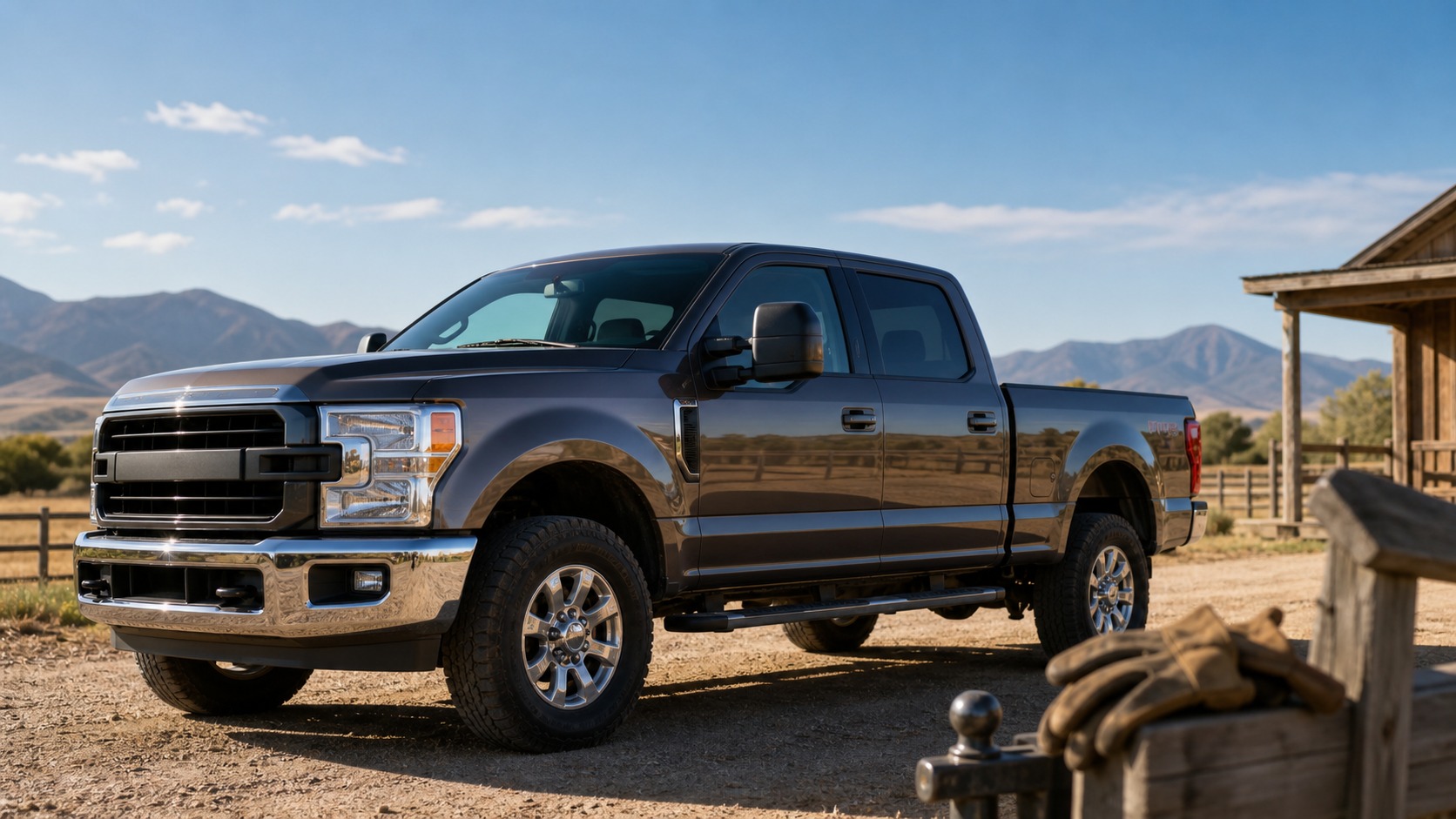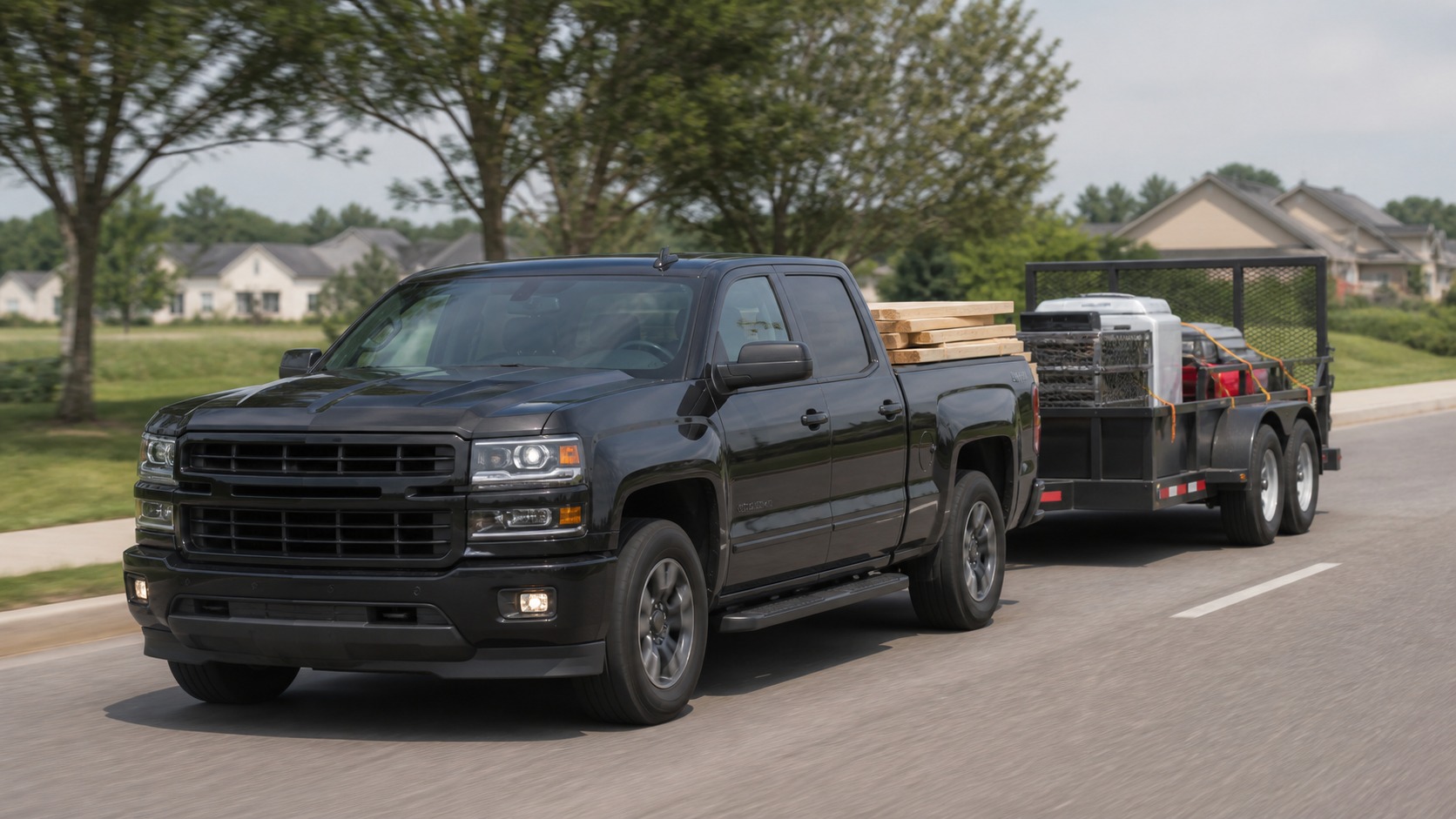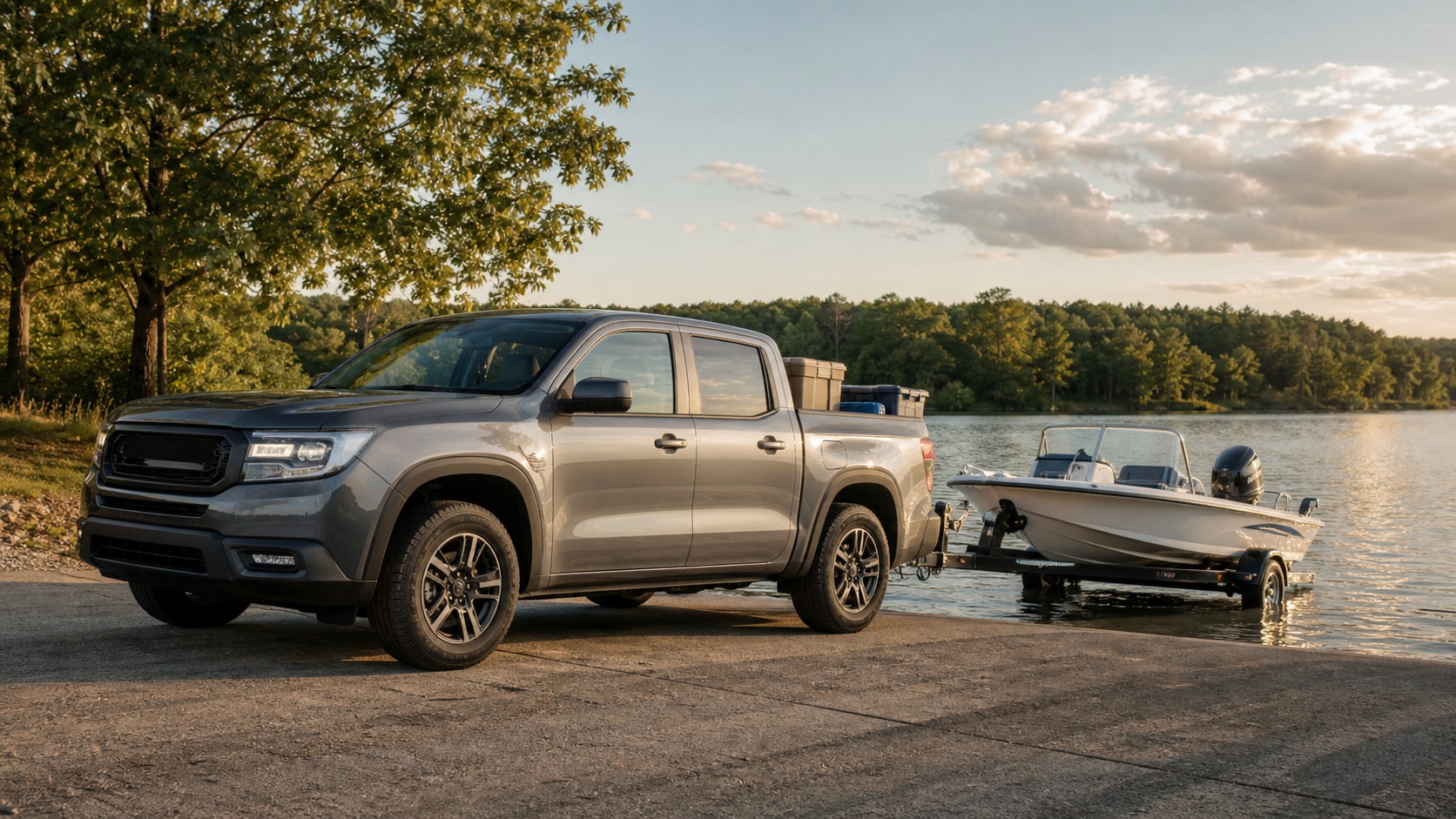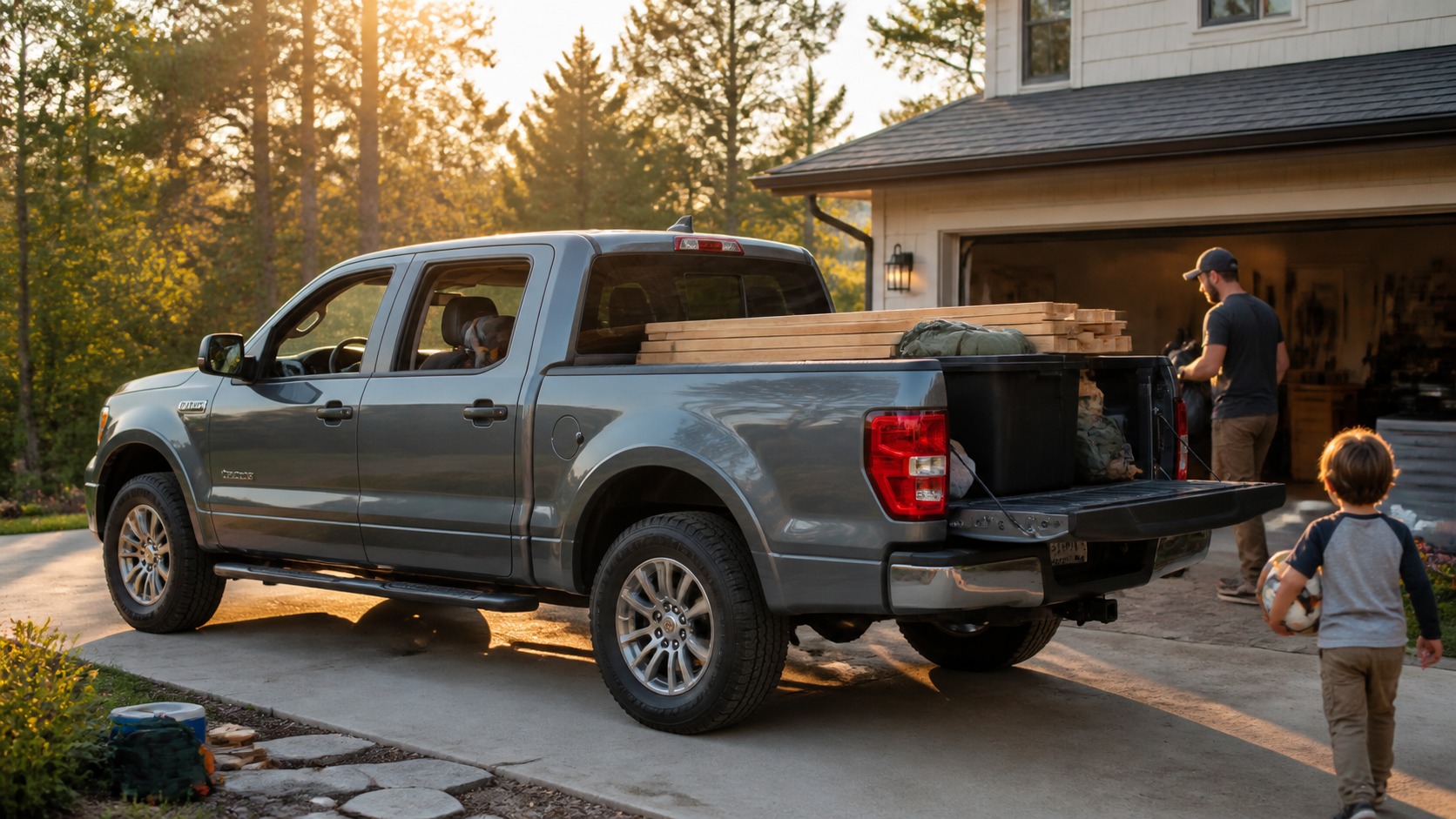
A useful pickup decision begins with ordinary days, not fantasy loads. This revised Truck Streets guide gives Best Light-Duty Trucks Choices for Work, Family, and Long-Term Value its own long-term value filter so owners balancing work and family can choose for years of useful service. The focus is half-ton and lighter pickups built for ordinary owners with real utility needs in places like suburban streets, school lots, home centers, highways, and weekend project runs, with attention on appliances, mulch, motorcycles, small trailers, sports gear, and family luggage and the ownership details that make a truck easy or difficult to keep.
A: Use light-duty trucks when the repeated job matches the most livable blend of useful capability and daily comfort and the daily trade-offs are acceptable.
A: Start with payload for light-duty pickups, then confirm tow rating, tires, axle ratio, and real curb weight.
A: Usually treating light-duty as either weak or unlimited, especially when normal driving exposes quieter cabins, easier parking, smoother empty ride, and manageable ownership costs.
A: No. Bigger only helps when the extra capacity is used often enough to justify cost and size.
A: Try parking, rough pavement, tight turns, highway merging, braking feel, and visibility.
A: Yes. Toolboxes, covers, racks, bumpers, and larger tires can change usable payload.
A: Practical configurations with broad demand usually age better than extreme or decorative builds.
A: Enough that passengers, weather, grades, and cargo do not push the truck to its limit.
A: Yes, if the most livable blend of useful capability and daily comfort does not make comfort, access, or costs unreasonable.
A: Buy for appliances and the ordinary week, not just the rare heaviest day.
Define the Week You Actually Live: Light-Duty Pickups
Define the week you actually live, not the most demanding story you can imagine. Work trips, school runs, grocery stops, towing days, weekend projects, and parking routines all deserve a vote. The best choice survives the normal week first.
Family use requires comfort, access, storage, safety features, and a ride that does not make every errand feel like a chore. The right truck can be useful without forcing passengers to tolerate a machine chosen only for occasional work. For light-duty trucks, this point connects directly to quieter cabins, easier parking, smoother empty ride, and manageable ownership costs and the risk of treating light-duty as either weak or unlimited.
Long-term value depends on half-ton rhythm, commuter comfort, weekend trailer, long-term value, keeper truck. A truck that fits those realities is easier to keep, easier to justify, and easier to recommend after the first year of ownership.
What Work Really Requires: Light-Duty Pickups
Work use requires more than a bed. It asks for payload, tie-down points, durable surfaces, visibility, braking confidence, and service habits that match the load. A good work truck feels steady and uncomplicated when the day is already busy.
Long-term value starts with fit because mismatched trucks get replaced sooner. A truck that is too small feels strained; a truck that is too large costs more every week. The valuable truck is the one the owner keeps liking. For light-duty trucks, this point connects directly to quieter cabins, easier parking, smoother empty ride, and manageable ownership costs and the risk of treating light-duty as either weak or unlimited.
What Family Use Really Requires: Light-Duty Pickups
Family use requires comfort, access, storage, safety features, and a ride that does not make every errand feel like a chore. The right truck can be useful without forcing passengers to tolerate a machine chosen only for occasional work.
Configurations that age gracefully usually avoid extremes. Sensible engines, useful axle ratios, practical beds, popular cab layouts, and enough payload tend to remain desirable. Flashy choices can fade; useful choices keep working. For light-duty trucks, this point connects directly to quieter cabins, easier parking, smoother empty ride, and manageable ownership costs and the risk of treating light-duty as either weak or unlimited.
Long-term value depends on home-center run, suburban driveway, family cab, family fit, work fit. A truck that fits those realities is easier to keep, easier to justify, and easier to recommend after the first year of ownership.
Value Comes From Fit: Light-Duty Pickups
Long-term value starts with fit because mismatched trucks get replaced sooner. A truck that is too small feels strained; a truck that is too large costs more every week. The valuable truck is the one the owner keeps liking.
Options worth paying for are the ones that improve the job: mirrors, cameras, towing aids, bed lighting, durable seating, safety tech, and cooling or payload packages. The best features reduce stress rather than simply decorating the truck. For light-duty trucks, this point connects directly to quieter cabins, easier parking, smoother empty ride, and manageable ownership costs and the risk of treating light-duty as either weak or unlimited.
Configurations That Age Gracefully: Light-Duty Pickups
Configurations that age gracefully usually avoid extremes. Sensible engines, useful axle ratios, practical beds, popular cab layouts, and enough payload tend to remain desirable. Flashy choices can fade; useful choices keep working.
Options that create noise are expensive features that do not support the mission. Oversized wheels, heavy luxury packages, appearance parts, and unused performance upgrades can reduce payload or raise costs without improving the owner?s real week. For light-duty trucks, this point connects directly to quieter cabins, easier parking, smoother empty ride, and manageable ownership costs and the risk of treating light-duty as either weak or unlimited.
Long-term value depends on light jobsite, daily utility, manageable tire cost, feature discipline, resale logic. A truck that fits those realities is easier to keep, easier to justify, and easier to recommend after the first year of ownership.
Options Worth the Money: Light-Duty Pickups
Options worth paying for are the ones that improve the job: mirrors, cameras, towing aids, bed lighting, durable seating, safety tech, and cooling or payload packages. The best features reduce stress rather than simply decorating the truck.
The choice that still makes sense later is the one with balanced capability, livable comfort, and known costs. It may not win every argument online, but it will keep making sense when the payment, maintenance, and daily routine are real. For light-duty trucks, this point connects directly to quieter cabins, easier parking, smoother empty ride, and manageable ownership costs and the risk of treating light-duty as either weak or unlimited.
Options That Create Noise: Light-Duty Pickups
Options that create noise are expensive features that do not support the mission. Oversized wheels, heavy luxury packages, appearance parts, and unused performance upgrades can reduce payload or raise costs without improving the owner?s real week.
Define the week you actually live, not the most demanding story you can imagine. Work trips, school runs, grocery stops, towing days, weekend projects, and parking routines all deserve a vote. The best choice survives the normal week first. For light-duty trucks, this point connects directly to quieter cabins, easier parking, smoother empty ride, and manageable ownership costs and the risk of treating light-duty as either weak or unlimited.
Long-term value depends on occasional tow, smooth empty ride, garage-friendly size, durable choice, balanced build. A truck that fits those realities is easier to keep, easier to justify, and easier to recommend after the first year of ownership.
The Choice That Still Makes Sense Later: Light-Duty Pickups
The choice that still makes sense later is the one with balanced capability, livable comfort, and known costs. It may not win every argument online, but it will keep making sense when the payment, maintenance, and daily routine are real.
Work use requires more than a bed. It asks for payload, tie-down points, durable surfaces, visibility, braking confidence, and service habits that match the load. A good work truck feels steady and uncomplicated when the day is already busy. For light-duty trucks, this point connects directly to quieter cabins, easier parking, smoother empty ride, and manageable ownership costs and the risk of treating light-duty as either weak or unlimited.
Final Read on Light-Duty Pickups
Best Light-Duty Trucks Choices for Work, Family, and Long-Term Value is strongest when the truck is judged by fit instead of drama. The right answer uses the most livable blend of useful capability and daily comfort while leaving enough margin for the hardest normal day. If the truck handles appliances, mulch, motorcycles, small trailers, sports gear, and family luggage without making quieter cabins, easier parking, smoother empty ride, and manageable ownership costs feel unreasonable, it belongs on the list. If it only looks right in a comparison chart, keep shopping.
One more ownership check helps: imagine the truck after winter, after a busy project month, and after a long trip. If light-duty pickups still feel useful, affordable, and easy to place in normal spaces, the choice has substance. If the truck only feels convincing in a rare maximum-load story, the decision needs another look.
One more ownership check helps: imagine the truck after winter, after a busy project month, and after a long trip. If light-duty pickups still feel useful, affordable, and easy to place in normal spaces, the choice has substance. If the truck only feels convincing in a rare maximum-load story, the decision needs another look.
One more ownership check helps: imagine the truck after winter, after a busy project month, and after a long trip. If light-duty pickups still feel useful, affordable, and easy to place in normal spaces, the choice has substance. If the truck only feels convincing in a rare maximum-load story, the decision needs another look.
One more ownership check helps: imagine the truck after winter, after a busy project month, and after a long trip. If light-duty pickups still feel useful, affordable, and easy to place in normal spaces, the choice has substance. If the truck only feels convincing in a rare maximum-load story, the decision needs another look.
One more ownership check helps: imagine the truck after winter, after a busy project month, and after a long trip. If light-duty pickups still feel useful, affordable, and easy to place in normal spaces, the choice has substance. If the truck only feels convincing in a rare maximum-load story, the decision needs another look.
One more ownership check helps: imagine the truck after winter, after a busy project month, and after a long trip. If light-duty pickups still feel useful, affordable, and easy to place in normal spaces, the choice has substance. If the truck only feels convincing in a rare maximum-load story, the decision needs another look.
One more ownership check helps: imagine the truck after winter, after a busy project month, and after a long trip. If light-duty pickups still feel useful, affordable, and easy to place in normal spaces, the choice has substance. If the truck only feels convincing in a rare maximum-load story, the decision needs another look.
One more ownership check helps: imagine the truck after winter, after a busy project month, and after a long trip. If light-duty pickups still feel useful, affordable, and easy to place in normal spaces, the choice has substance. If the truck only feels convincing in a rare maximum-load story, the decision needs another look.
One more ownership check helps: imagine the truck after winter, after a busy project month, and after a long trip. If light-duty pickups still feel useful, affordable, and easy to place in normal spaces, the choice has substance. If the truck only feels convincing in a rare maximum-load story, the decision needs another look.
One more ownership check helps: imagine the truck after winter, after a busy project month, and after a long trip. If light-duty pickups still feel useful, affordable, and easy to place in normal spaces, the choice has substance. If the truck only feels convincing in a rare maximum-load story, the decision needs another look.
One more ownership check helps: imagine the truck after winter, after a busy project month, and after a long trip. If light-duty pickups still feel useful, affordable, and easy to place in normal spaces, the choice has substance. If the truck only feels convincing in a rare maximum-load story, the decision needs another look.
One more ownership check helps: imagine the truck after winter, after a busy project month, and after a long trip. If light-duty pickups still feel useful, affordable, and easy to place in normal spaces, the choice has substance. If the truck only feels convincing in a rare maximum-load story, the decision needs another look.
One more ownership check helps: imagine the truck after winter, after a busy project month, and after a long trip. If light-duty pickups still feel useful, affordable, and easy to place in normal spaces, the choice has substance. If the truck only feels convincing in a rare maximum-load story, the decision needs another look.