
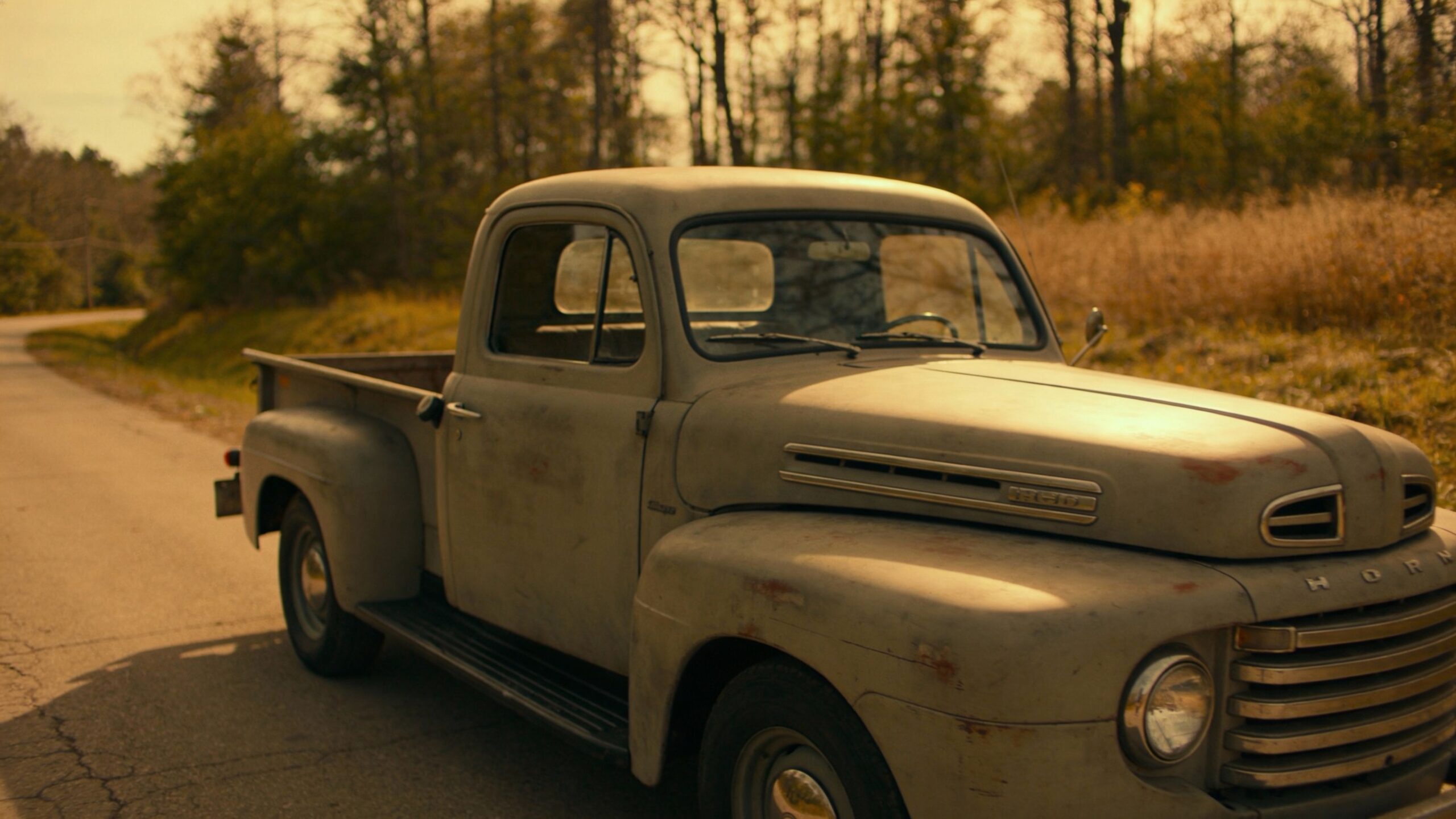
Truck History tells the story of how hard work, innovation, and necessity shaped one of the most important vehicles on the road. What began as simple machines built to move goods evolved into powerful, versatile trucks that support industries, communities, and everyday life. From early workhorses designed for farms and construction to modern trucks packed with technology and capability, each era reflects the demands of its time. This section of Truck Streets explores how trucks changed alongside roads, engines, manufacturing, and culture—becoming symbols of progress, reliability, and freedom. You’ll dive into key milestones in truck development, how wars, economic shifts, and innovation influenced design, and why certain truck styles and features became industry standards. We focus on the real-world reasons behind these changes, not just dates and models, showing how history still shapes the trucks we drive today. Whether you’re curious about classic work trucks, the rise of modern pickups, or how past engineering decisions influence current designs, this hub brings truck history to life. It’s a look back that helps you better understand the trucks of today—and where they’re headed next.
A: After WWII, pickups increasingly served daily life; crew cabs later accelerated the “family truck” trend.
A: Manuals were simpler, tougher, and easier to repair, especially under heavy loads.
A: Stronger brakes, better cooling, higher torque engines, and smarter multi-gear automatics.
A: It expanded where trucks could work—snow, mud, ranch roads, and off-road access without getting stuck.
A: Fuel injection, turbocharging, more gears, better aerodynamics, and computer control improved output per gallon.
A: Heavier frames, axles, brakes, and payload/tow capacity—built for sustained work and bigger trailers.
A: More gears keep the engine in its optimal torque/efficiency range under varying load and speed.
A: No—early beds were more utilitarian, sometimes wood, and varied widely by maker and use case.
A: Trucks became daily drivers; buyers expected SUV-like features while keeping work capability.
A: The modern EV truck is new at scale, but experimentation with electric commercial vehicles has existed in earlier eras too.