
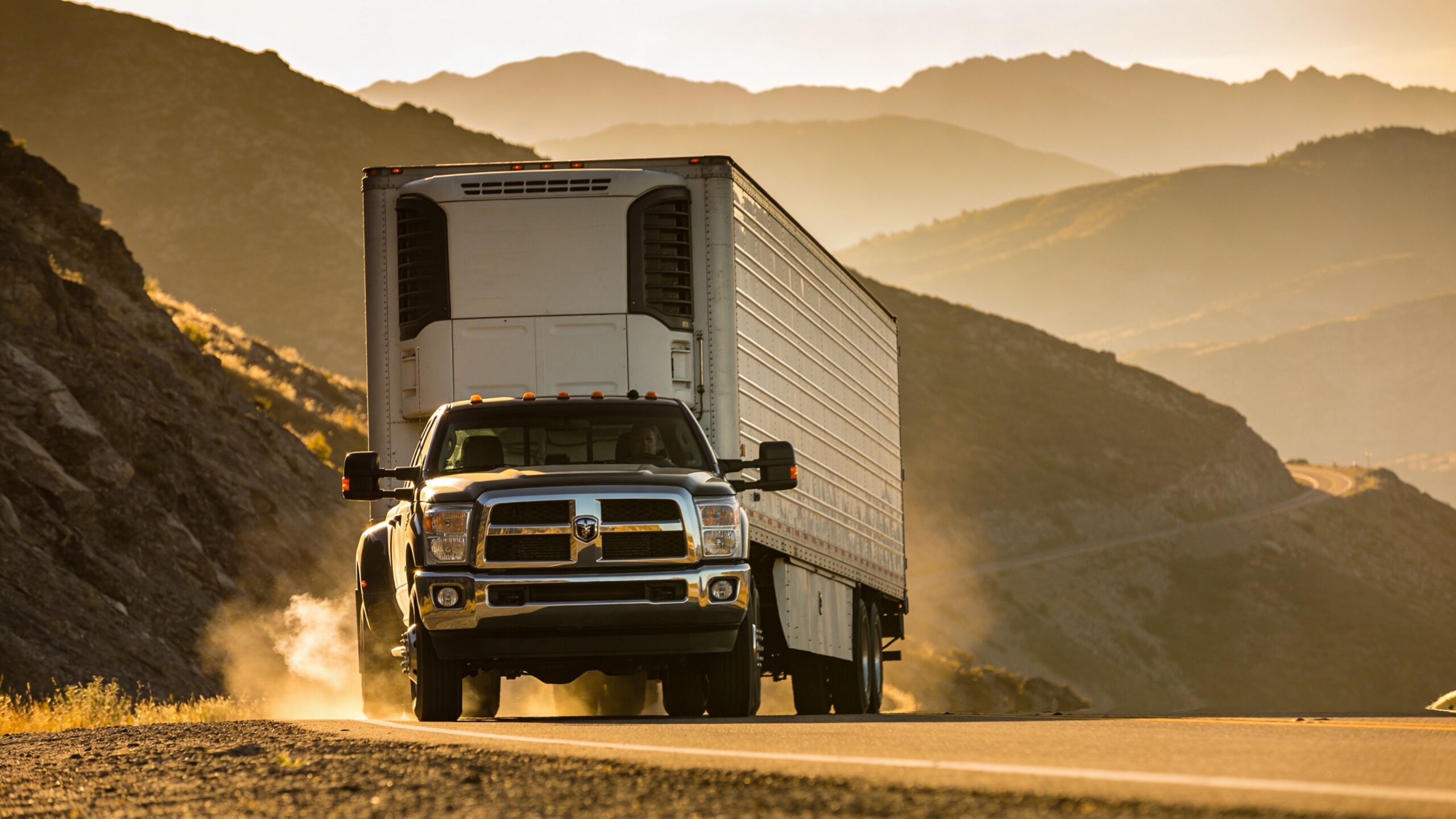
Welcome to Horsepower & Torque Dynamics on Truck Streets — where raw engine force meets real-world capability and every number on a spec sheet tells a deeper performance story. This is the power center of your truck knowledge, where horsepower and torque stop being abstract figures and start becoming the muscle behind confident towing, responsive acceleration, and controlled strength under load. Horsepower fuels top-end performance and speed, while torque delivers the low-end pulling power that moves trailers, conquers steep grades, and handles demanding jobsite conditions. In this section, you’ll explore how torque curves shape drivability, how gearing and drivetrain setups influence power delivery, and how turbocharging, engine displacement, and transmission tuning work together to create distinct performance personalities. Whether you’re comparing gas versus diesel, analyzing dyno charts, or deciding which engine configuration best fits your hauling needs, this hub connects the science of engine output to the reality of truck ownership. Because on Truck Streets, power isn’t just something you read about — it’s something you understand, optimize, and put to work.
A: Both: torque helps you start and hold load; horsepower helps you maintain speed on grades.
A: It’s trying to keep RPM in the powerband; use tow/haul or manual holds to reduce hunting.
A: It can improve pull by multiplying torque, but it also raises RPM and may reduce highway economy.
A: Repeated up/down shifts under load create heat and wear; lock out overdrive or hold a gear to stabilize.
A: Heat soak can pull power; watch coolant, oil, and transmission temps.
A: Bigger tires reduce effective gearing, often softening acceleration unless you re-gear to compensate.
A: Avoid lugging; keep RPM where the engine pulls smoothly and temps stay stable.
A: It can change torque delivery, but it can also raise heat—monitor temps and stay within safe limits.
A: Aerodynamic drag rises quickly with speed; downshift and accept lower speed to control heat and load.
A: Check the temp gauge/readout; frequent hunting, slipping, and rising temps are signs to slow down and downshift.