
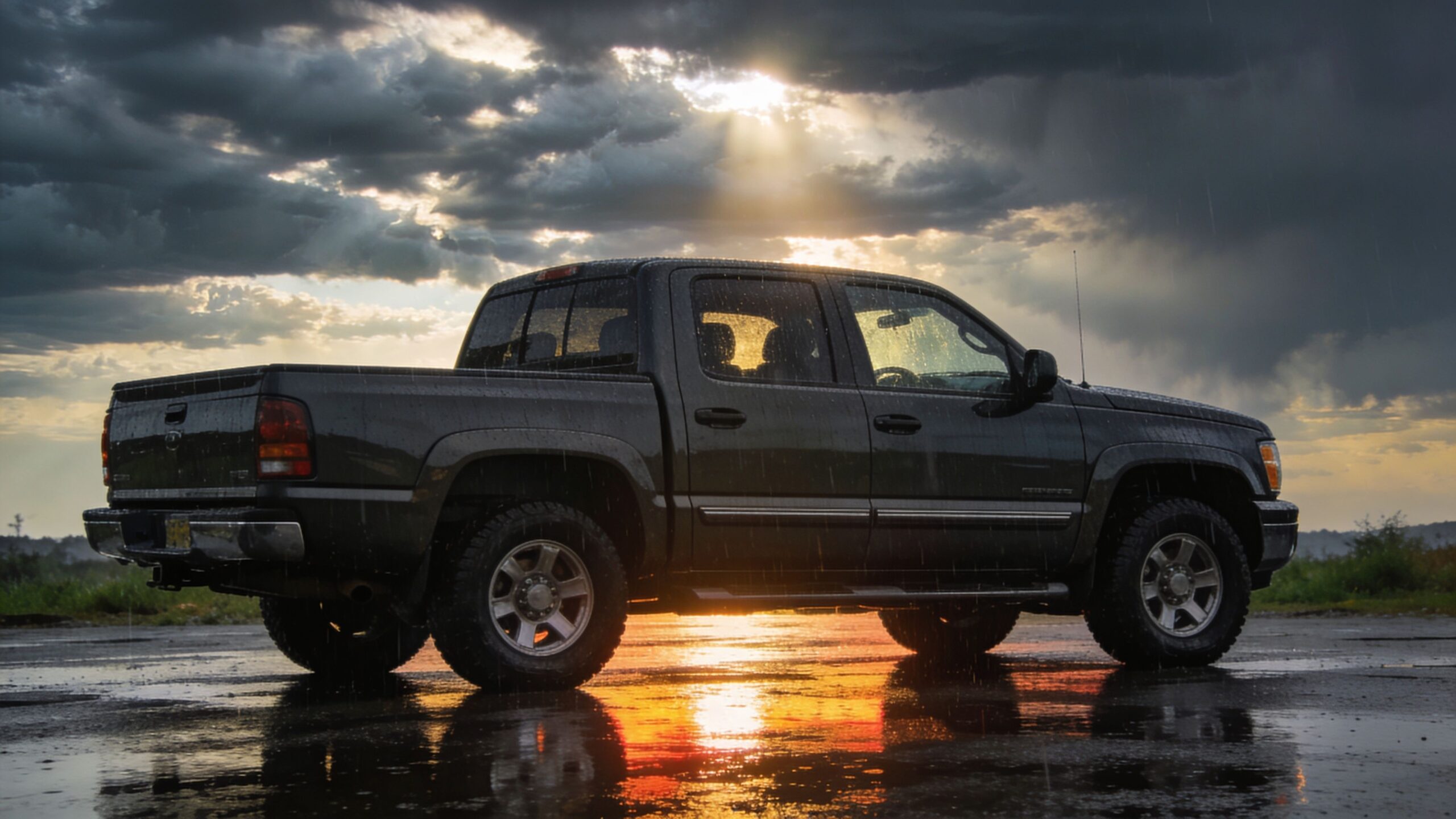
Insurance isn’t just a formality after you buy a truck—it’s the safety net that protects your investment, your livelihood, and your peace of mind every mile you drive. From daily commutes and worksite hauling to long highway trips and off-road weekends, the right protection strategy determines how well you’re covered when the unexpected happens. The Insurance & Protection hub is built to help truck owners understand what truly matters behind the policy language. Here, you’ll find clear, practical articles that break down coverage types, liability considerations, comprehensive and collision protection, gap coverage, add-ons, and specialty policies designed for work trucks and modified builds. We explore how usage, location, vehicle value, and driving habits shape insurance needs, and where overpaying or underinsuring can quietly create risk. This is about more than finding coverage—it’s about building protection that matches how you actually use your truck. With the right knowledge, insurance becomes a strategic tool, not a guessing game, keeping you prepared, protected, and confident on every road ahead.
A: Strong liability limits first, then collision and comprehensive based on your vehicle value and risk exposure.
A: If theft, hail, glass damage, or animal strikes are realistic risks in your area, it’s often worth it.
A: If you have low down payment, long terms, or expect rapid depreciation early, GAP can be valuable.
A: Not always—many policies require endorsements for aftermarket modifications and accessories.
A: Sometimes—confirm trailer liability, physical damage coverage, and roadside towing terms for your setup.
A: Choose the highest deductible you can comfortably pay immediately without touching essential savings.
A: Yes—clear footage can speed fault decisions and reduce disputes, especially in complex accidents.
A: It depends on insurer and state; ask how glass or hail claims typically affect renewal pricing.
A: Only if it adds meaningful benefits—verify tow miles, winching, and trailer coverage before paying twice.
A: At least annually, and anytime your mileage, address, drivers, or vehicle value changes materially.