
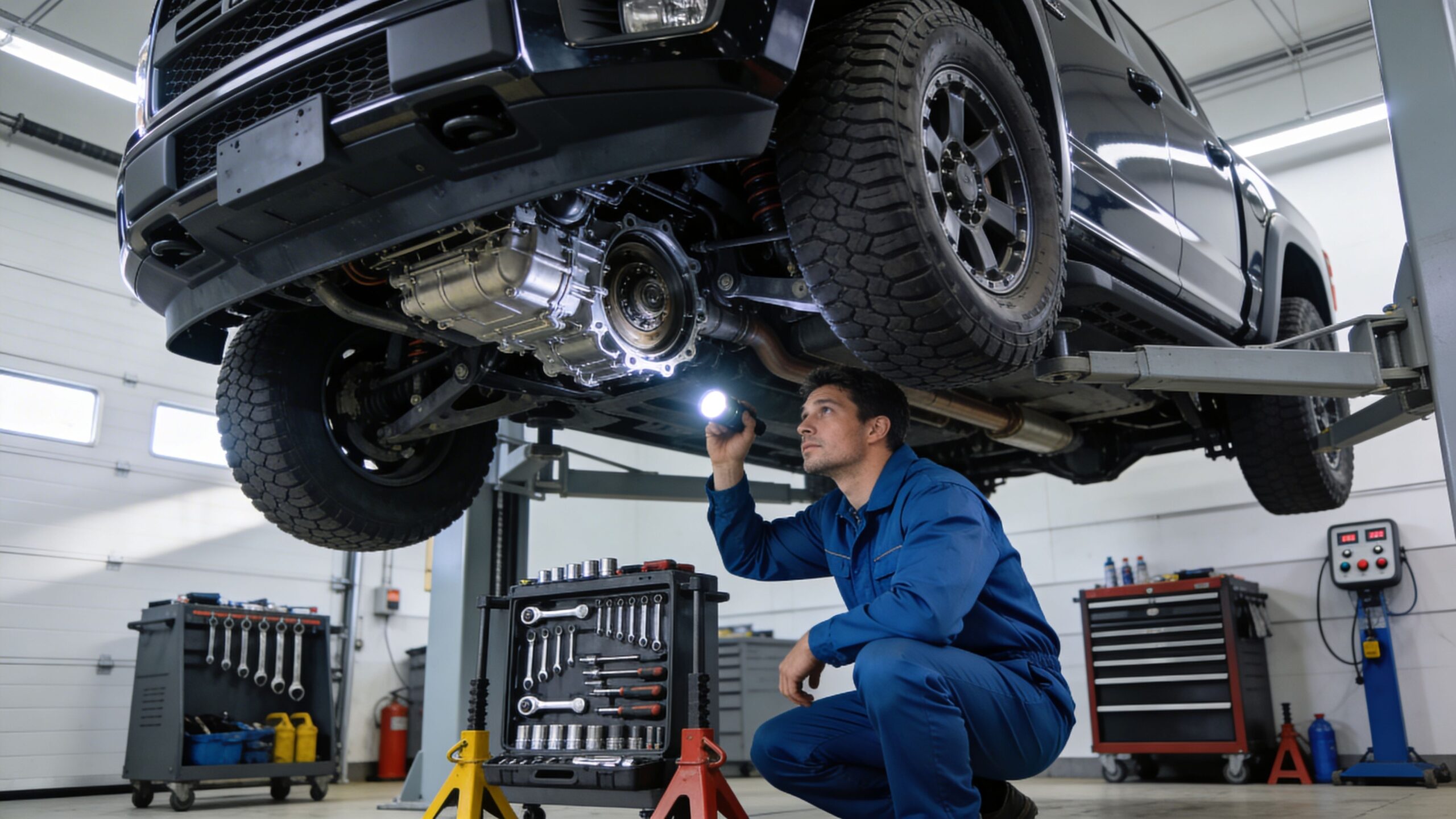
Transmission care is where raw engine power becomes controlled, dependable motion, transforming every shift into smooth performance you can feel behind the wheel. It’s one of the hardest-working systems in your truck, constantly managing torque, speed, and load whether you’re towing heavy equipment, climbing steep grades, or cruising the highway. Without proper care, even the strongest transmission can slip, overheat, or wear down faster than expected. But with the right attention—fluid checks, filter changes, and early warning awareness—you can keep every gear change crisp, responsive, and reliable. On Truck Streets, this section is built to give you a clear, practical edge on transmission care, breaking down complex systems into straightforward guidance you can actually use. From recognizing early signs of trouble to maintaining peak efficiency under tough conditions, these articles help you protect one of the most critical components in your truck, so every drive feels smooth, controlled, and ready for whatever the road throws your way.
A: It depends on the transmission type, towing use, and manufacturer schedule, but severe-duty driving usually requires earlier service.
A: It often points to overheating, fluid breakdown, or internal wear that should be checked soon.
A: Some firmness can be normal, but persistent harsh shifting may suggest fluid, sensor, or internal issues.
A: Yes, especially if the truck is overloaded, poorly geared, or overdue for fluid and cooling-system service.
A: It can become one quickly because low fluid levels can affect pressure, cooling, and clutch operation.
A: The best method depends on the truck and its condition, so following the manufacturer’s guidance is the safest approach.
A: Delayed engagement, slipping, shuddering, harsh shifts, and fluid leaks are common early warnings.
A: Absolutely, because transmissions depend on very specific fluid chemistry and friction characteristics.
A: Low fluid, worn components, valve body issues, or sensor problems are all possible causes.
A: Ignoring early warning signs and waiting until minor shift problems turn into major repair bills.