
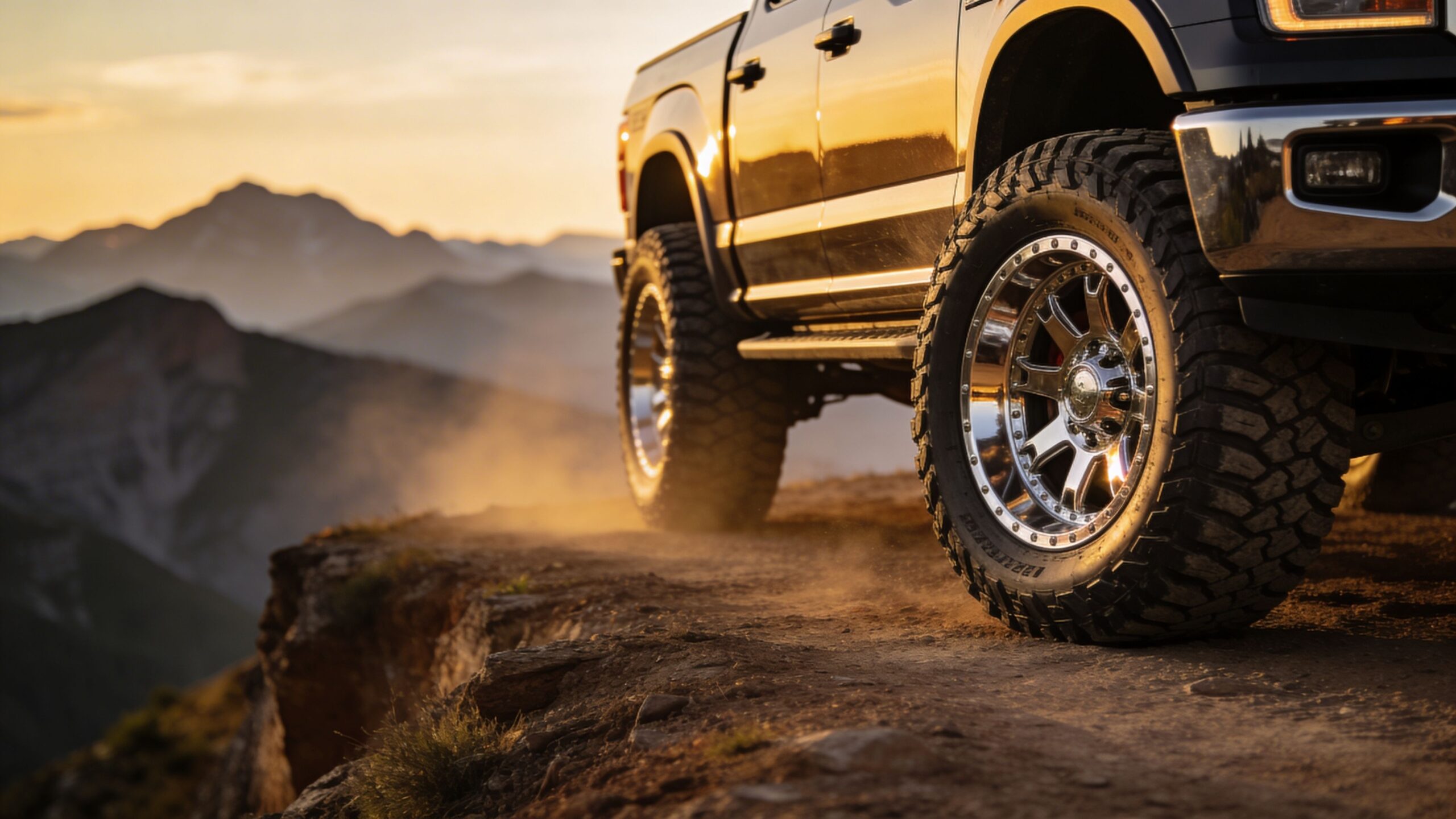
Wheels and tires are where performance, style, and real-world capability come together to define a truck’s character. They influence everything from traction and handling to ride comfort and off-road confidence, making them one of the most impactful upgrades any truck owner can explore. Whether it’s rugged all-terrain tires built for trails and backroads, highway tires designed for smooth daily driving, or bold wheel designs that transform the entire look of a truck, the right combination can dramatically change how a truck performs and feels behind the wheel. On Truck Streets, the Wheels & Tires hub is designed to help drivers understand the options and choose setups that match their driving style and goals. Our articles explore tire types, wheel sizes, offset and backspacing, and how different combinations affect clearance, grip, and overall driving dynamics. You’ll also discover guidance on choosing tires for work trucks, daily commuters, and serious off-road builds. Whether you’re upgrading for performance, durability, or a stronger visual presence, this section helps you build a wheel and tire setup that fits your truck perfectly.
A: They work together, but tire size usually has the bigger impact on ride, traction, and clearance.
A: Sometimes yes, but clearance depends on suspension, wheel offset, tire width, and the truck’s fender space.
A: Not always—larger wheels reduce sidewall height, which can change ride comfort and off-road performance.
A: All-terrains are better for mixed use, while mud-terrains favor deeper off-road traction and a more aggressive look.
A: Common causes include poor balancing, incorrect centering, uneven torque, or a tire/wheel uniformity issue.
A: LT tires are better for heavier-duty use, but they can ride firmer and weigh more than P-metric options.
A: A common interval is about every 5,000 to 7,500 miles, depending on the tire and driving conditions.
A: They often can, especially if they are heavier, wider, or more aggressive in tread design.
A: Sometimes yes, especially when the wheel center bore is larger than the hub and the design calls for it.
A: Replace them when tread is worn low, traction drops, sidewalls crack, or age and damage make them unsafe.