
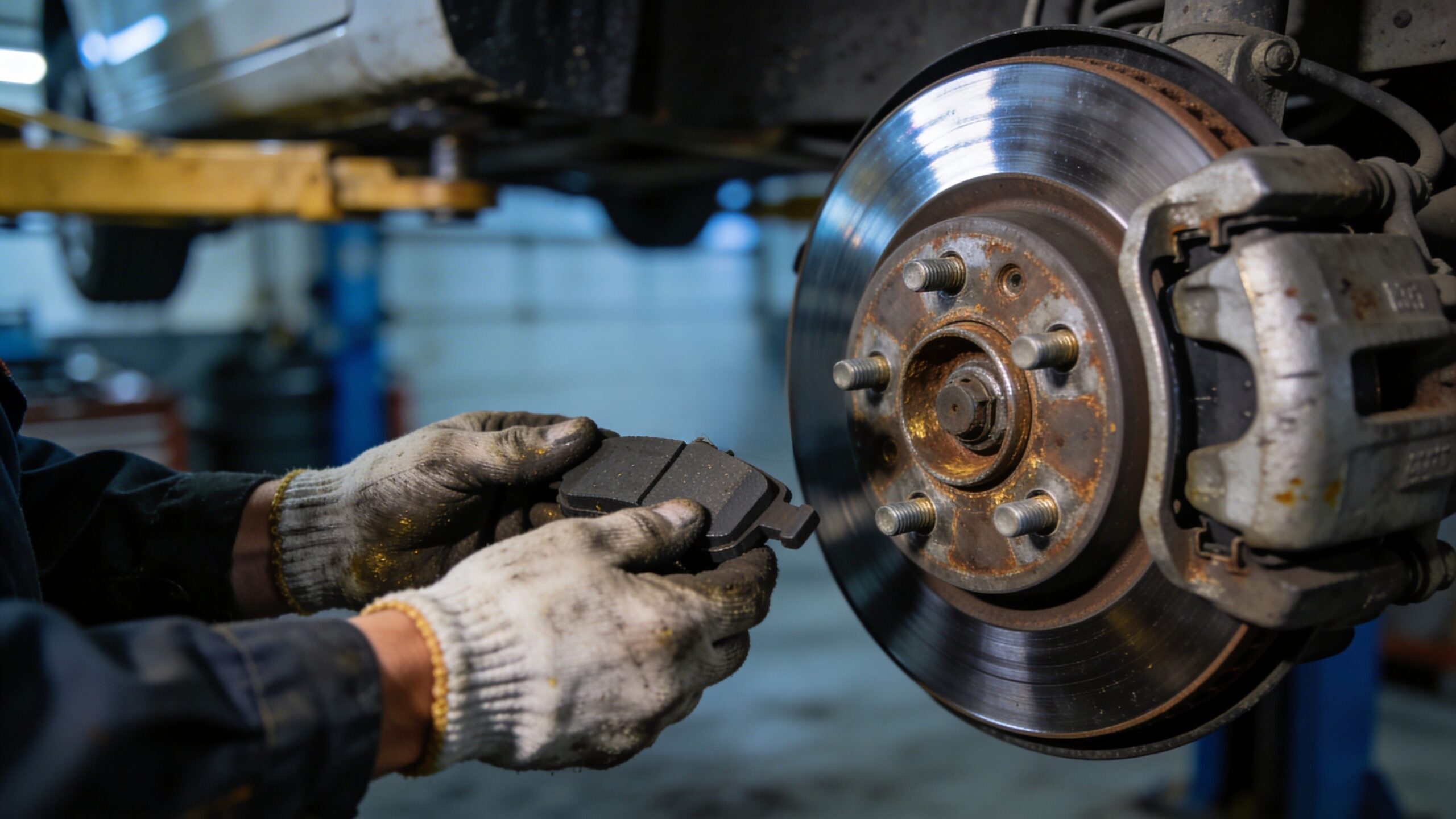
Brake systems are the silent force behind every confident drive, delivering the control and stopping power that keeps your truck—and everything around it—safe. Whether you’re hauling heavy loads, navigating steep descents, or reacting in a split second on busy roads, your brakes are constantly working to bring thousands of pounds to a smooth, controlled stop. But that level of performance doesn’t happen by accident. It comes from understanding how your brake system functions and giving it the attention it deserves, from pad and rotor health to fluid condition and heat management. On Truck Streets, this section is built to help you stay in command with clear, practical insights into every part of your brake system. You’ll find guidance on recognizing early warning signs, maintaining peak stopping power, and choosing the right components for your driving demands, so every press of the pedal delivers confidence, precision, and the control your truck was built to provide.
A: They should be checked regularly, especially if you tow, haul, drive in traffic often, or notice any change in stopping feel.
A: Squeaking can come from wear indicators, dust, moisture, glazed pads, or certain pad materials.
A: It may suggest air in the lines, low fluid, a hydraulic leak, or a master cylinder issue.
A: Yes, because moisture-contaminated fluid can reduce performance and increase corrosion inside the system.
A: Common causes include rotor unevenness, heat-related distortion, or worn front-end components.
A: Yes, some dust is expected, but heavy dust on one wheel can signal uneven wear or sticking hardware.
A: Absolutely, because towing adds weight, heat, and stopping demand to the entire brake system.
A: It depends on rotor condition and thickness, but many brake jobs include both for best performance and longevity.
A: Ignoring warning signs like noise, vibration, pulling, or a soft pedal until the problem becomes unsafe.
A: Many owners can handle simple brake jobs, but safety-critical work should always be done carefully with the right tools and procedures.