
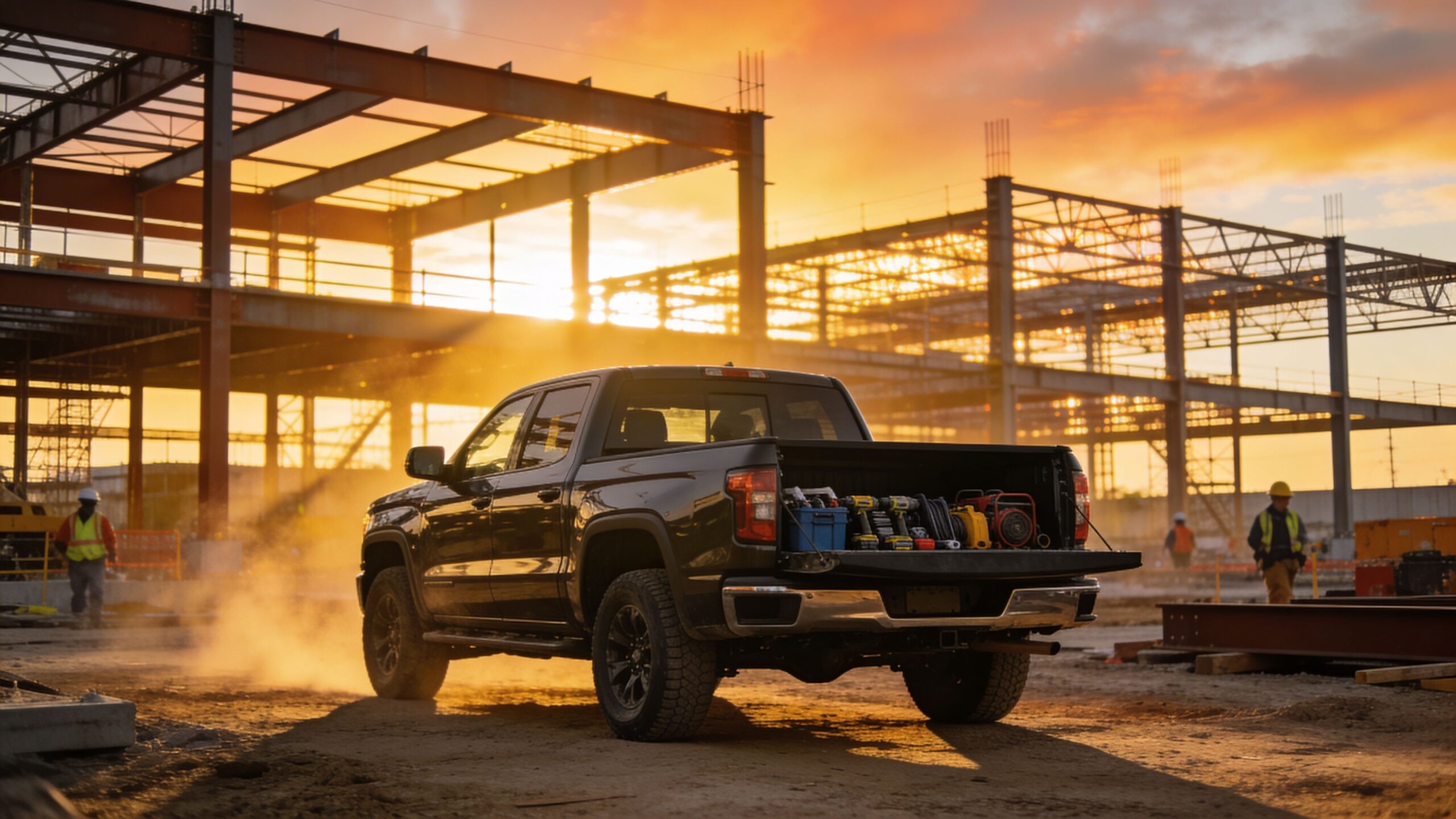
Worksite & Trade Use is where capability gets tested in real conditions—dust in the air, steel on the ground, deadlines on the calendar—and on Truck Streets this sub-category is dedicated to the trucks, gear, and strategies that keep crews productive and profitable. Whether you’re hauling equipment to a new build, towing trailers across town, running service calls, or managing a growing fleet, performance isn’t optional—it’s essential. Here we cover real-world towing setups, payload planning, bed organization systems, durability upgrades, fuel-efficiency insights, and side-by-side comparisons built around how tradespeople actually work. Every article is designed for contractors, fleet managers, and hands-on operators who rely on their trucks as mobile offices, rolling toolboxes, and revenue generators. We focus on what holds up under pressure, what saves time on site, what protects your investment, and what delivers long-term value when margins are tight and expectations are high. If your truck is part of your livelihood and your reputation rides with it, this is where you’ll find the insight to work smarter, move faster, and build stronger.
A: Often payload, because hitch weight, passengers, and gear eat it fast even when tow rating looks huge.
A: Start low, test at safe speed, increase until braking is strong without lockup or pushing the truck.
A: Not always, but you need tires whose load index matches your real axle weights—check the door sticker and scale when in doubt.
A: Only if the procedure allows it—lubed threads can over-clamp at the same torque value.
A: It’s often tongue weight, tire pressure, or weight distribution—verify hitch setup and axle weights.
A: Downshift, reduce speed, and let airflow and coolant flow do their job—heat is load over time.
A: Sometimes, but if it hunts gears or temps rise, lock out OD or use tow/haul to reduce heat and clutch wear.
A: A common baseline is every 5,000–7,500 miles, sooner with heavy loads or uneven wear patterns.
A: Frequent towing/hauling, idling, short trips, dust, or extreme temps—service more often than normal intervals.
A: Tires matched to load and a disciplined maintenance routine—those two beat most “performance” mods for uptime.