
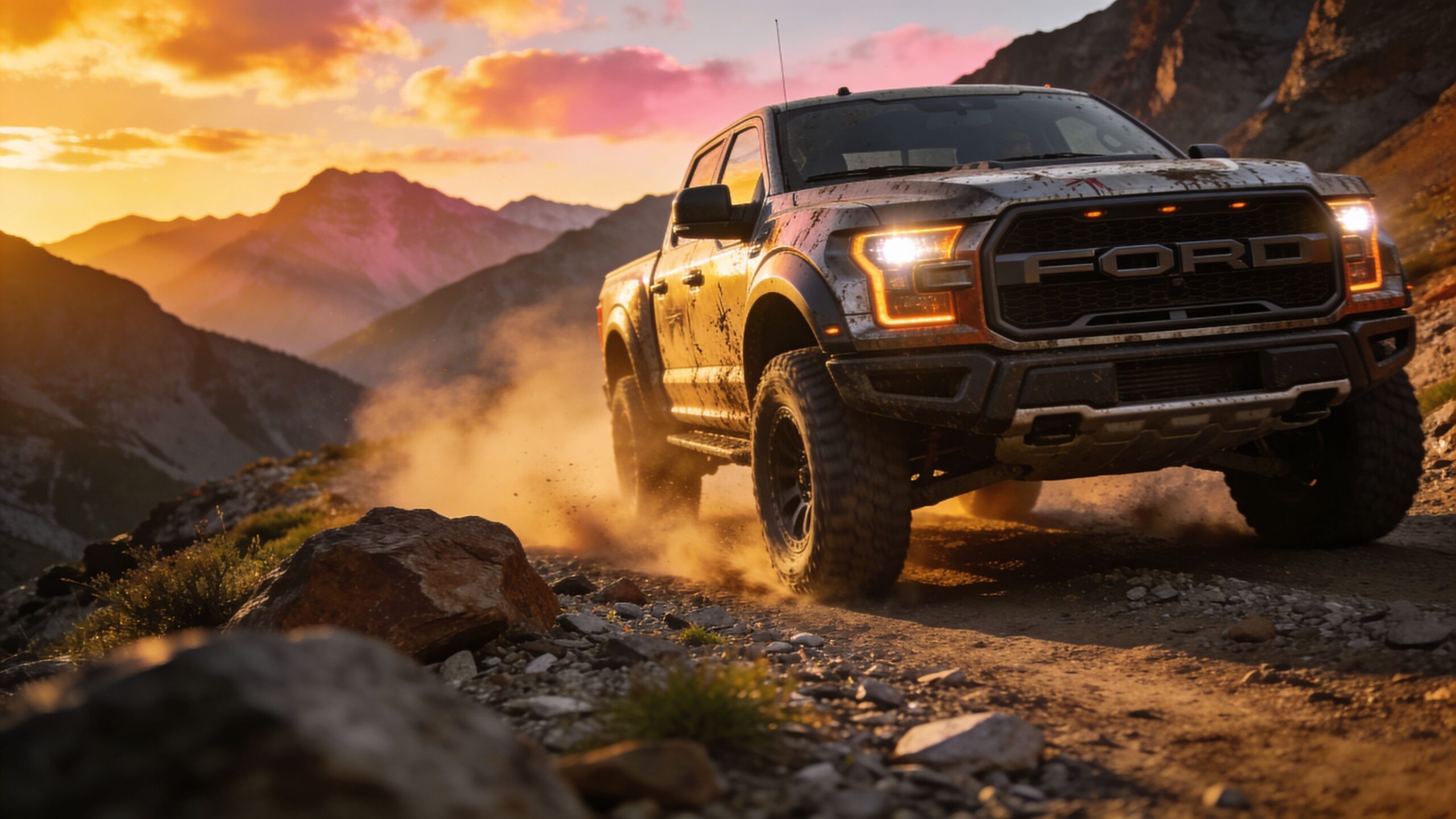
Few names carry the weight, grit, and legacy of Ford. Built on the vision of Henry Ford, this iconic brand didn’t just manufacture vehicles—it helped shape modern America. From the revolutionary assembly line to the enduring dominance of the F-150, Ford has consistently defined what it means to build tough, reliable trucks that work as hard as the people who drive them. On Truck Streets, this Ford hub is your gateway into that legacy, bringing together everything from cutting-edge innovations like the all-electric F-150 Lightning to deep dives into Super Duty performance and the stories behind Ford’s most legendary builds. Whether you’re here to compare models, explore capabilities, or understand what makes Ford trucks stand out across generations, every article is designed to connect you with the machines that power jobsites, haul heavy loads, and fuel everyday adventures. This is where heritage meets horsepower, where durability meets innovation, and where Ford’s story continues to evolve mile after mile.
A: The F-150 is a light-duty truck for everyday hauling and towing, while Super Duty models are built for heavier work and bigger trailers.
A: Yes, many Ford trucks work well as daily drivers, especially when cab size, bed length, and suspension are matched to normal use.
A: FX4 usually refers to an off-road package that can include skid plates, tuned suspension, and traction-focused upgrades.
A: That depends on trailer size—some F-150 setups tow impressively, while Super Duty models are better for heavier and more demanding loads.
A: For snow, dirt roads, trails, and frequent towing on mixed terrain, yes; for mostly dry pavement, two-wheel drive may be enough.
A: A short bed is easier to park, while a longer bed is better for cargo, tools, motorcycles, and larger DIY projects.
A: Many drivers like them for strong torque, useful towing power, and a good balance of performance and efficiency.
A: Work-focused trims are practical for utility, while mid and upper trims add comfort, technology, and premium interior features.
A: Yes, especially when equipped with the right tires, suspension, four-wheel drive system, and off-road package.
A: Start with payload, towing needs, cab size, bed length, drivetrain, and how the truck will actually be used each week.