
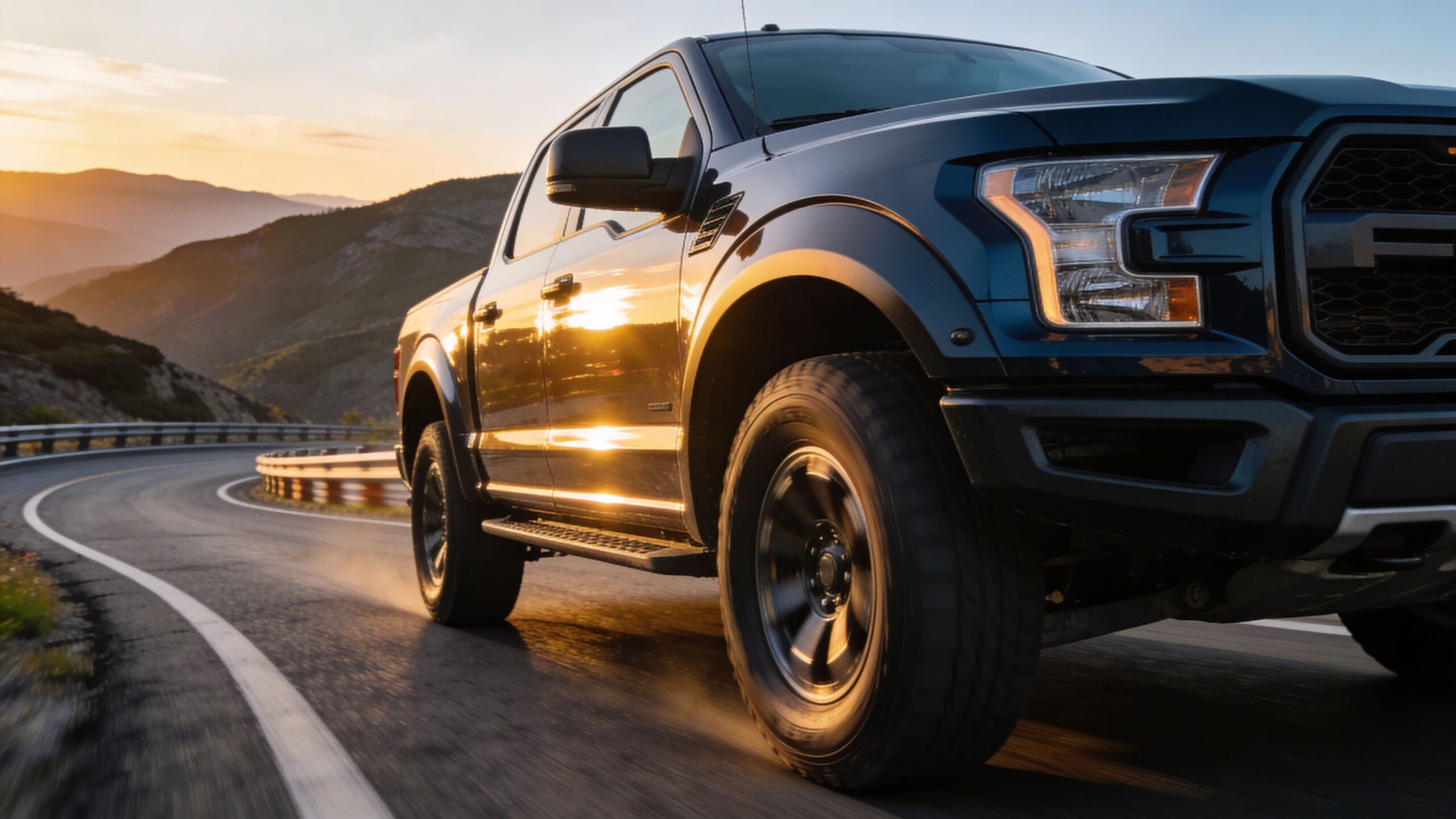
Welcome to On-Road Handling on Truck Streets — where power meets precision and every curve becomes a test of control. Trucks are built for strength, but true mastery shows up on pavement, where steering response, suspension tuning, braking stability, and weight balance define the driving experience. On-road handling isn’t just about comfort; it’s about confidence at highway speeds, composed cornering under load, predictable lane changes, and smooth tracking in crosswinds. It’s the subtle calibration between shocks and springs, the geometry of the chassis, the grip of the tires, and the communication you feel through the steering wheel. In this section, we break down how suspension setups influence ride quality, how tire selection affects traction and feedback, how sway control systems enhance stability, and how braking performance supports controlled deceleration. Whether you’re commuting daily, hauling light loads, or navigating long interstate stretches, understanding on-road handling helps you choose a truck that feels planted, responsive, and secure. On Truck Streets, capability isn’t limited to trails — it’s proven every mile on the pavement.
A: Common causes are tire pressure, alignment (toe), and worn front-end components.
A: Some do—softer tread and taller blocks can feel less precise than highway tires, especially at speed.
A: Correct tire pressure, good alignment, and quality shocks make the biggest difference.
A: Rear weight can lighten the front axle; redistribute load or level the setup appropriately.
A: Yes—raising the front changes caster and alignment, which can reduce return-to-center and stability.
A: Tire conicity, uneven pressures, brake drag, or alignment can all cause a pull.
A: Improve shocks, consider sway bar tuning, and keep cargo low; tire sidewalls also matter.
A: Yes—heavier combos add unsprung weight and can dull response and increase braking distance.
A: Slow down, make small corrections, and ensure tires and alignment are in good shape.
A: Check tires, brake condition, and alignment; uneven traction or brake issues can cause instability.