
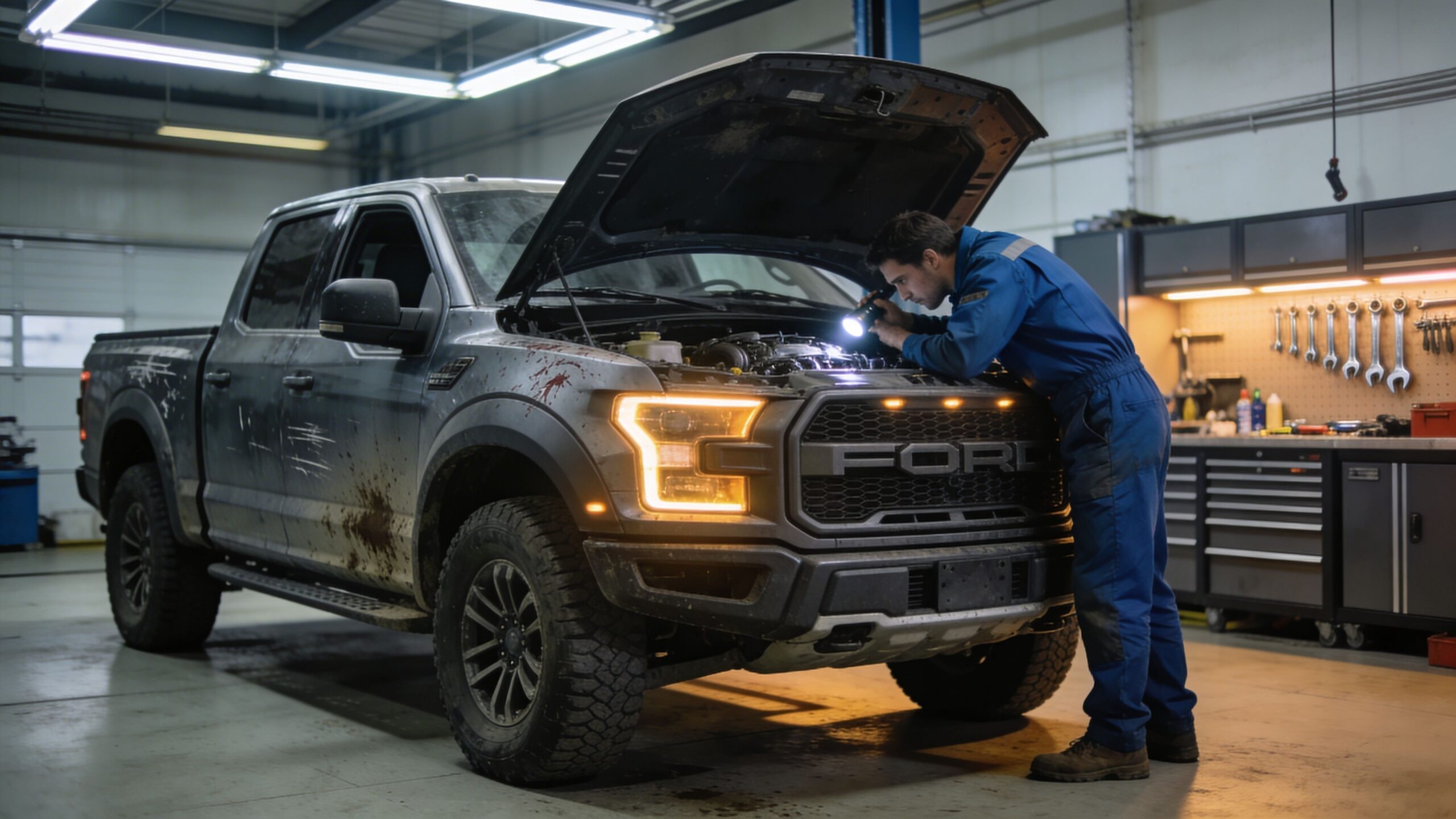
Routine maintenance is where great trucks are made—and where costly breakdowns are quietly avoided. It’s not about flashy upgrades or massive overhauls; it’s about the consistent, disciplined habits that keep your truck running strong mile after mile. From oil changes and tire rotations to fluid checks and filter swaps, these small actions stack up into long-term performance, reliability, and value. Whether you’re hauling heavy loads, commuting daily, or pushing your truck through rugged terrain, routine maintenance is the foundation that keeps everything working the way it should. On Truck Streets, this section is built to give you practical, no-nonsense guidance across every essential maintenance category, with clear breakdowns, real-world tips, and step-by-step insights designed for both beginners and seasoned truck owners, because when you stay ahead of wear and tear, you don’t just protect your truck—you maximize its power, extend its lifespan, and drive with confidence every time you hit the road.
A: It depends on the engine, oil type, and driving conditions, but following the owner’s manual is the safest route.
A: Often yes, because towing and hauling can accelerate uneven tread wear.
A: Check it regularly and replace it when it looks dirty or according to the service schedule.
A: Common causes include poor alignment, uneven tire pressure, or worn suspension parts.
A: Yes, because brake fluid absorbs moisture over time and can lose performance.
A: Slow cranking, dim lights, and trouble starting in cold weather are common warning signs.
A: Absolutely—many leaks, rust issues, and worn components show up underneath first.
A: Yes, things like dirty filters, poor tire pressure, and old fluids can all reduce efficiency.
A: For jobs like wheel service and critical fasteners, definitely—it helps prevent costly mistakes.
A: Waiting too long between inspections and letting small issues turn into major repairs.