
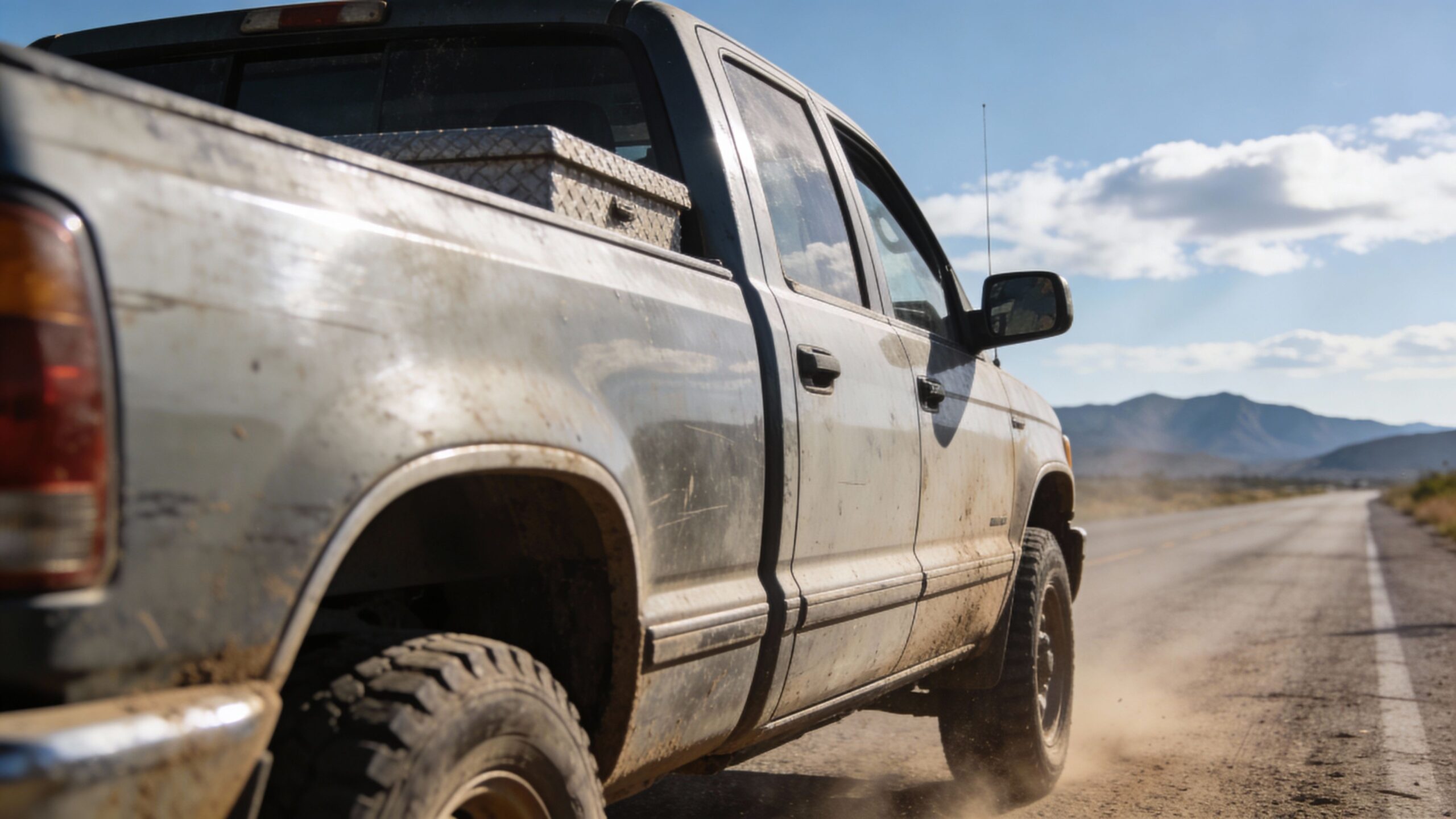
Galleries is where trucks are experienced visually, not just described. This section of Truck Streets is built for appreciation, inspiration, and exploration—bringing together powerful imagery that captures trucks in their element. From detailed close-ups that highlight design, engineering, and craftsmanship to wide, cinematic scenes that show trucks at work, on the road, and off the beaten path, Galleries tells truck stories without needing words. Each collection is curated to showcase the personality, presence, and purpose behind different trucks, builds, environments, and moments. It’s a place to slow down and take in the details that make trucks more than machines—the stance, the setting, the textures, and the real-world context that defines how they’re used and enjoyed. Whether you’re looking for visual inspiration, researching styles and setups, or simply enjoying the artistry of trucks in motion and at rest, Galleries offers a deeper, more immersive way to explore truck culture. This is where performance meets perspective, and where Truck Streets lets the visuals do the talking.
A: Front/side/rear 3/4, interior, bed setup, and a “truck doing work” action shot.
A: Golden hour or open shade—harsh noon light hides details and creates ugly reflections.
A: Clean glass/tires, remove clutter, level horizons, and choose a simple background.
A: Year/trim, tire size, wheel offset, lift height, and key mods (tow/overland/off-road gear).
A: Yes—before/after sets are high engagement and make the build easier to understand.
A: Include full-lock steering shots and a mild flex/ramp photo if possible.
A: Absolutely—cabin storage, rear seat space, and tech are huge for real buyers and builders.
A: Usually 8–15: enough for story + details without overwhelming the page.
A: No specs—great photos with zero build details don’t help readers replicate the setup.
A: Use a repeatable shot list, consistent spec formatting, and a standard cover image style.