
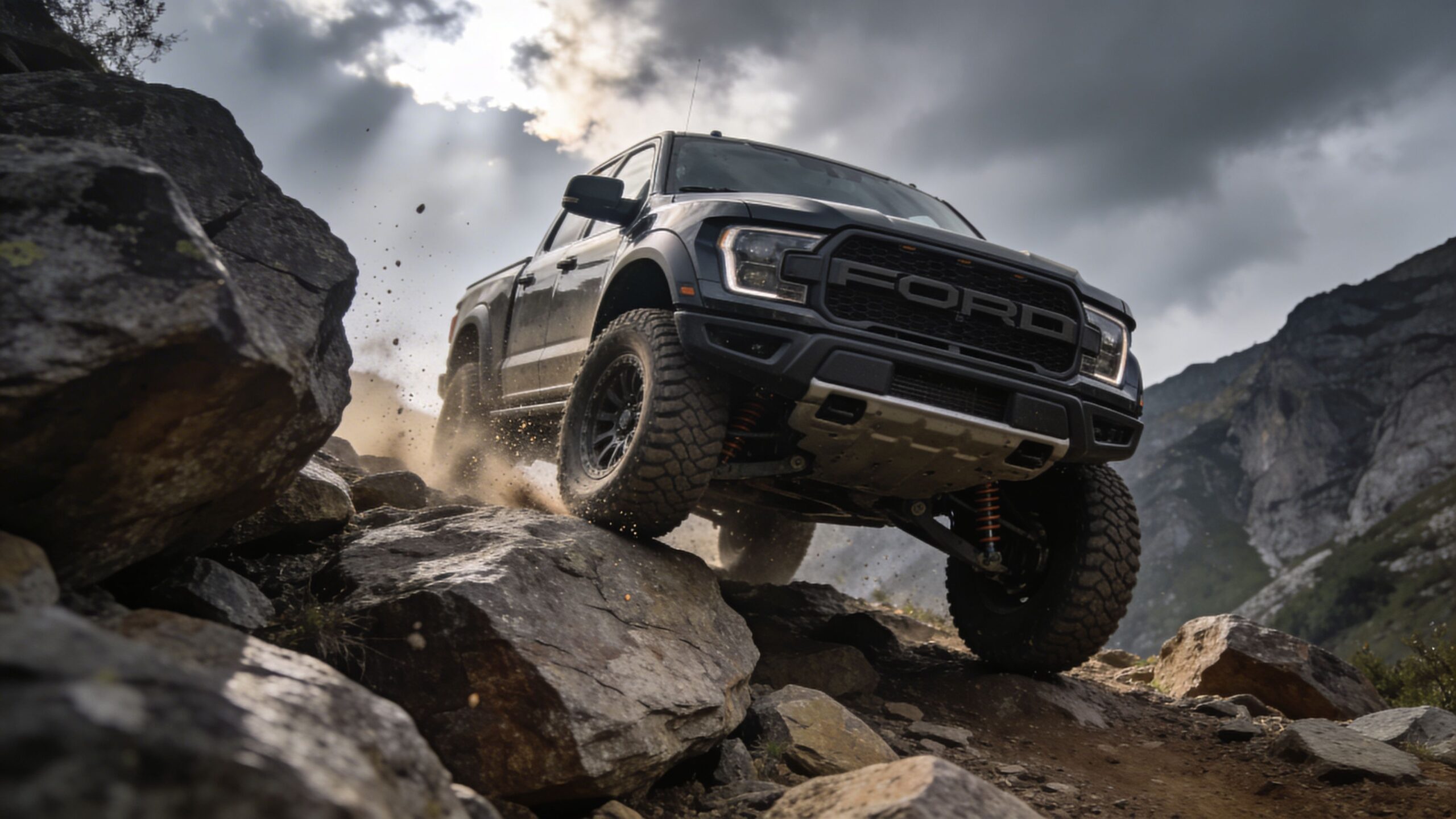
Welcome to Off-Road Capability on Truck Streets — where pavement ends and true engineering begins. This is the proving ground of truck performance, where traction, clearance, articulation, and durability are tested against mud, rock, sand, and steep terrain. Off-road capability isn’t just about aggressive tires or lifted suspensions; it’s about how every component works together when grip disappears and the landscape pushes back. Ground clearance determines your path, approach and departure angles protect your underbody, and locking differentials deliver power exactly where it’s needed. Suspension travel absorbs the unpredictable, while skid plates and reinforced frames guard what matters most. In this section, you’ll explore how drivetrain systems, tire compounds, torque distribution, and terrain management technology shape real-world performance beyond the highway. Whether you’re navigating remote trails, climbing rocky inclines, or crossing rugged backcountry routes, understanding off-road capability transforms uncertainty into control. On Truck Streets, capability isn’t measured by appearance alone — it’s defined by confidence, control, and the ability to keep moving when the terrain refuses to cooperate.
A: 4HI is for speed and loose roads; 4LO multiplies torque for slow, technical control.
A: Often yes for mixed use; mud-terrain tires help in deep mud and rocks but can be louder on-road.
A: It improves traction and ride, but you must manage speed and protect sidewalls.
A: Not always, but they help most in rocks, deep ruts, and crossed-axle traction loss.
A: It reduces torque to stop spin; sometimes you may need a different mode for sand or deep mud.
A: Sidewall cuts, diff hits, and body damage—slow down and pick careful lines.
A: No—tires, skid protection, and driver technique often matter more than lift height.
A: Watch temps, keep airflow paths clear, and take breaks—low speed means low cooling airflow.
A: Use rated recovery points and gear, communicate clearly, and avoid sudden jerks or unsafe attachments.
A: Look for leaks, inspect tires, check underbody, and clean mud from brakes and suspension.