
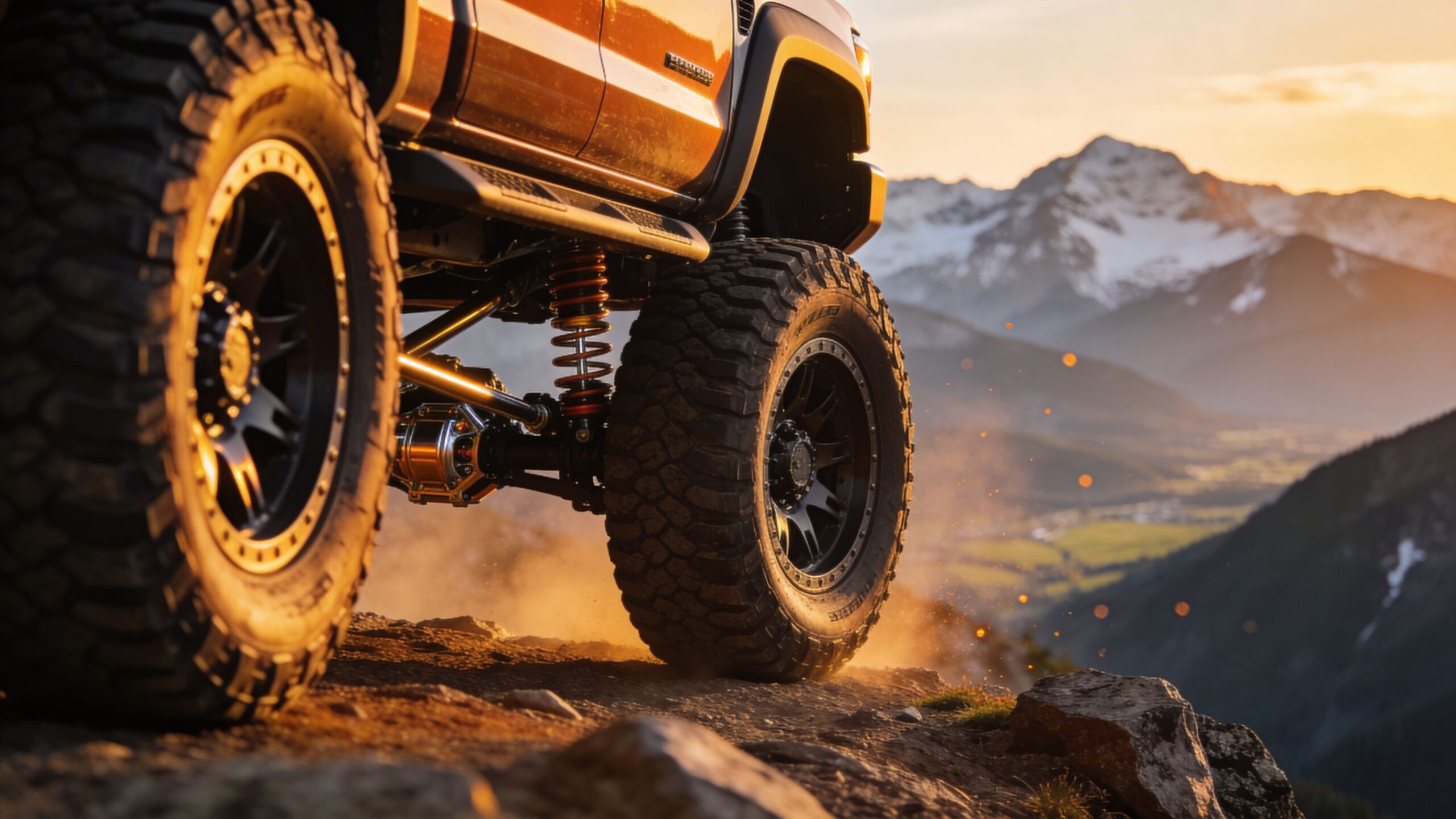
Lift kits and suspension modifications are where trucks truly begin to show their personality, transforming a standard pickup into a machine built for adventure, performance, and commanding road presence. Whether the goal is clearing larger tires, improving off-road capability, or simply giving a truck a more aggressive stance, suspension upgrades open the door to an entirely new level of style and functionality. From simple leveling kits that balance a truck’s front and rear height to full suspension lift systems engineered for demanding terrain, the right modification can dramatically change how a truck looks, drives, and handles. On Truck Streets, the Lift Kits & Suspension Mods hub is designed to help truck owners understand these upgrades and make confident decisions about their builds. Here you’ll find in-depth articles exploring how lift kits work, how suspension geometry changes after a lift, and what drivers should expect when raising their truck’s ride height. Our guides also break down the differences between leveling kits, body lifts, and full suspension systems while helping you identify which setups work best for daily drivers, work trucks, and serious off-road rigs.
A: A leveling kit usually raises only the front, while a lift kit raises the truck more comprehensively with additional suspension changes.
A: It can, especially when paired with larger tires, heavier wheels, and increased aerodynamic drag.
A: Yes, always—alignment is one of the most important steps after suspension work.
A: Sometimes, but fitment depends on lift height, wheel offset, tire width, and trimming clearance.
A: They can if geometry is poor or driveline angles are too steep, especially on CV axles, ball joints, and tires.
A: No—body lifts create room visually, while suspension lifts improve frame and component clearance.
A: Often yes if the tires are significantly taller and you want to restore acceleration, towing feel, and transmission behavior.
A: No—shock valving, travel length, and damping style make a major difference in comfort and control.
A: Follow the kit instructions, but an initial check after 50–100 miles is very common.
A: No—the best setup matches your driving, towing, off-road use, and willingness to support the build properly.