
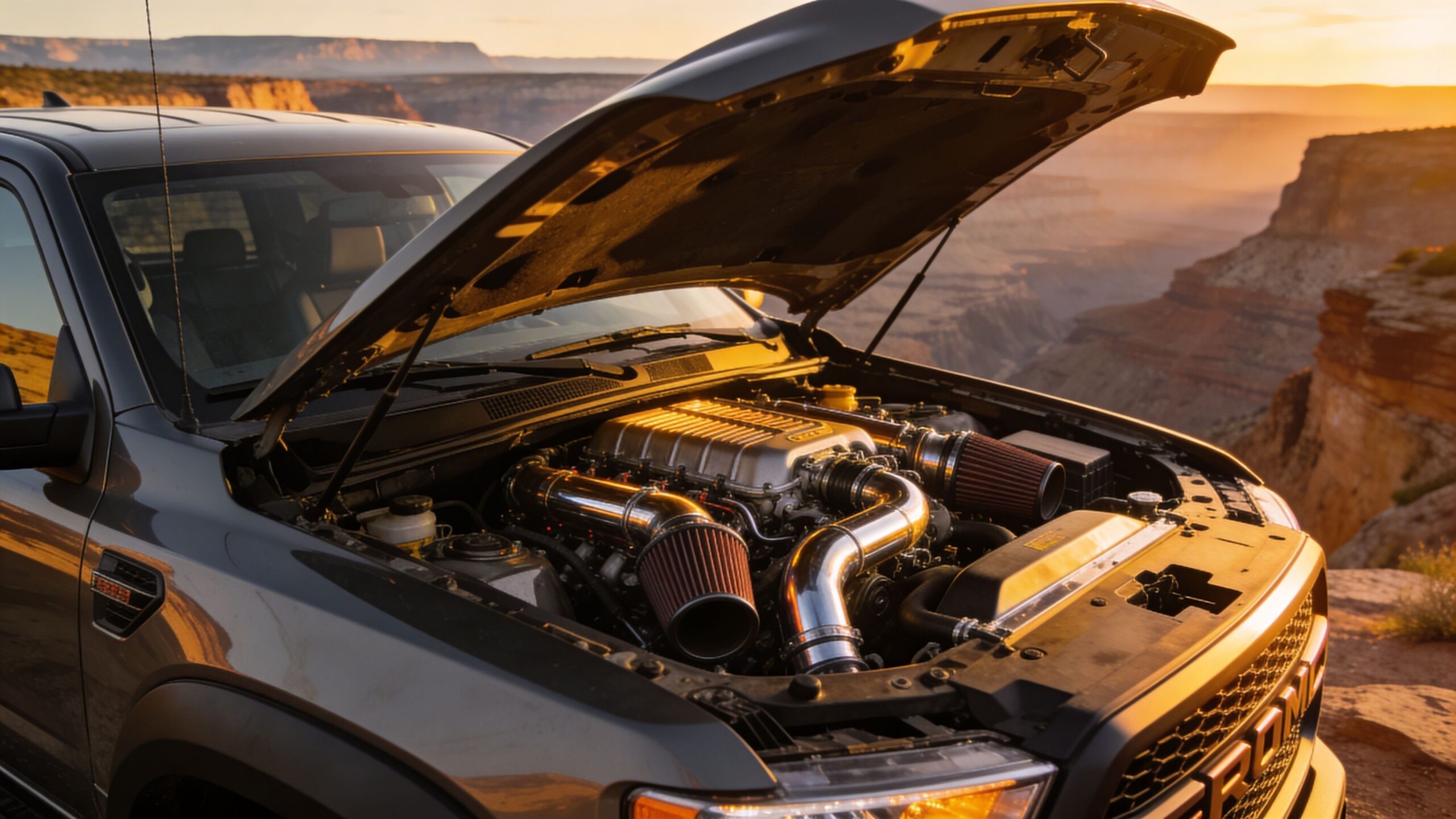
Exhaust and intake systems play a powerful role in shaping how a truck breathes, performs, and sounds on the road. These components work together to control how air enters and exits the engine, directly influencing horsepower, torque, efficiency, and throttle response. When upgraded correctly, they can help an engine operate more smoothly and deliver stronger performance whether the truck is towing heavy loads, tackling off-road terrain, or cruising the highway. For many truck owners, these upgrades also bring the unmistakable deep exhaust tone that adds personality and presence to every drive. On Truck Streets, the Exhaust & Intake Systems hub is designed to help drivers understand how these performance components work and how they can improve overall engine behavior. Our articles explore the differences between cold air intakes, performance air filters, cat-back exhaust systems, headers, and full exhaust upgrades while explaining how airflow efficiency affects engine power. You’ll also find practical guidance on choosing systems that balance performance gains, durability, and sound. Whether you want stronger acceleration, improved engine efficiency, or a more commanding exhaust note, this section helps you explore upgrades that enhance how your truck performs and feels.
A: They can, but many trucks feel the change more in throttle response and sound than in huge peak power gains.
A: For many owners yes, especially for sound, appearance, and mild flow improvement without major complexity.
A: No, sound and actual performance are not the same thing.
A: Not always, but some combinations benefit from tuning to fully match airflow changes.
A: Common causes include loose couplers, sensor issues, exhaust leaks, or disturbed O2 sensor connections.
A: Pipe diameter, muffler design, resonator choices, and engine rpm range all play a role.
A: They can flow well and be reused, but they must be cleaned and serviced properly.
A: It can if the system becomes oversized for the engine and reduces useful exhaust velocity.
A: Check after the first few drives, after heat cycles, and during normal maintenance intervals.
A: A system that balances sound, airflow, drivability, legal compliance, and the truck’s real-world purpose usually works best.