
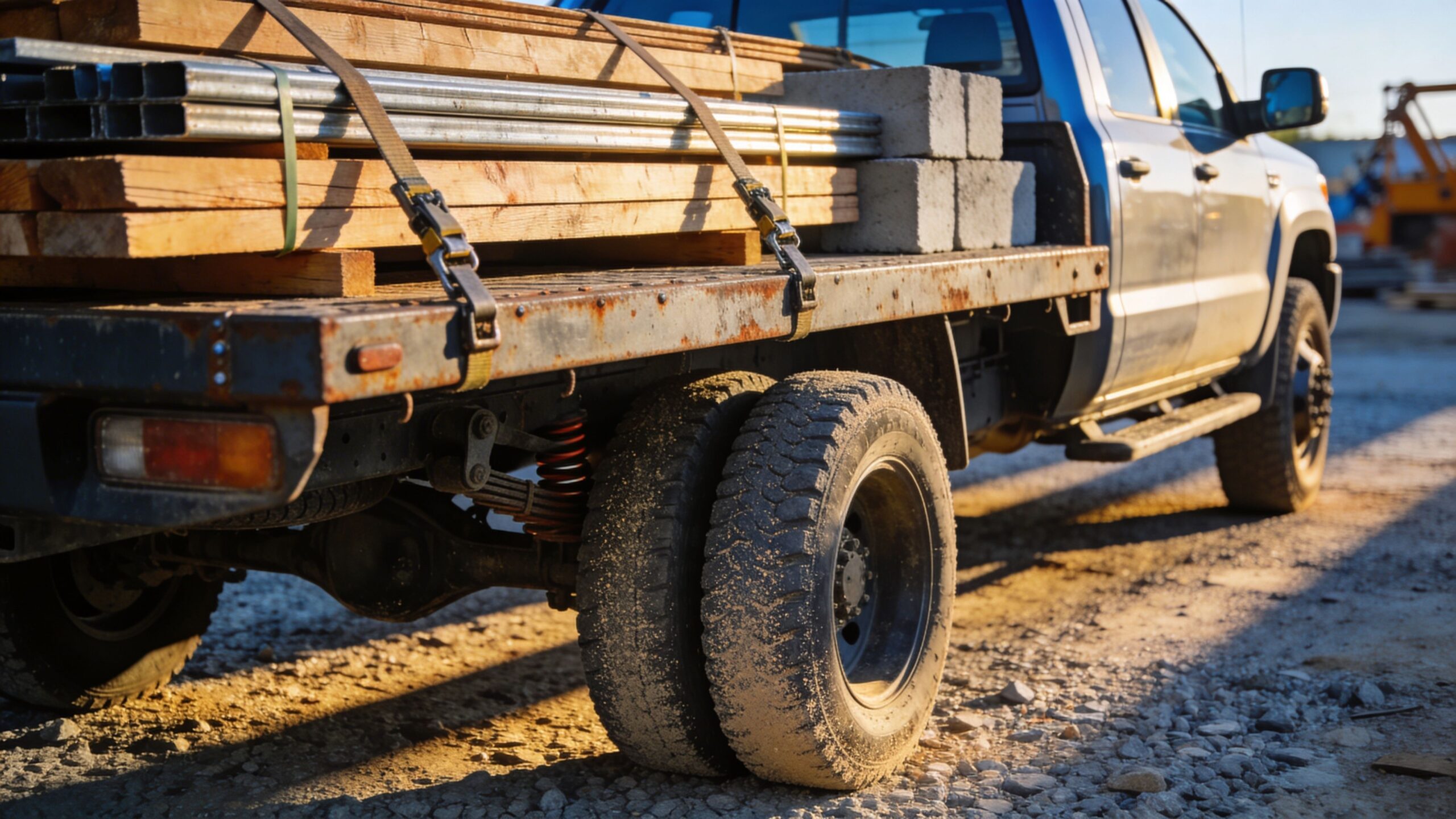
Welcome to Payload Optimization on Truck Streets — where every pound counts and smart engineering transforms raw capacity into real-world efficiency. Payload isn’t just a number printed on a door jamb; it’s the balance between strength, stability, suspension tuning, axle configuration, and intelligent weight distribution. When optimized correctly, your truck doesn’t just carry more — it carries better. From construction materials and tools to overlanding gear and daily work equipment, the way weight is managed directly affects braking distance, tire wear, fuel efficiency, and overall control behind the wheel. In this section, we break down how frame design, spring rates, shock performance, bed configuration, and load placement all work together to maximize capability without compromising safety or drivability. You’ll explore strategies for smarter loading, understand how gross vehicle weight ratings influence decisions, and learn how to fine-tune setups for both work and recreation. On Truck Streets, payload optimization is about precision, preparation, and performance — turning capacity into confidence every time your truck leaves the driveway.
A: Payload is what the truck carries; towing is what it pulls. Tongue weight counts as payload.
A: Options add weight—4WD, bigger cabs, luxury trims, and packages all reduce payload.
A: No—helpers can level the truck, but GVWR/GAWR remain the legal limits.
A: Use a scale and weigh axle-by-axle; rear axle overload can happen even if total weight seems fine.
A: Low and forward, close to the cab, and centered—then tied down so it can’t shift.
A: Too much rear weight can lift the front slightly; improve distribution or level the setup.
A: Higher-rated tires can improve safety margin, but the truck’s GVWR/GAWR still cap the load.
A: Add people + cargo + accessories + hitch/tongue weight, then verify on a scale.
A: Yes—more weight means more heat and distance required; brake condition becomes critical.
A: Reduce unnecessary gear, distribute weight correctly, inflate tires for load, and confirm with scale weights.