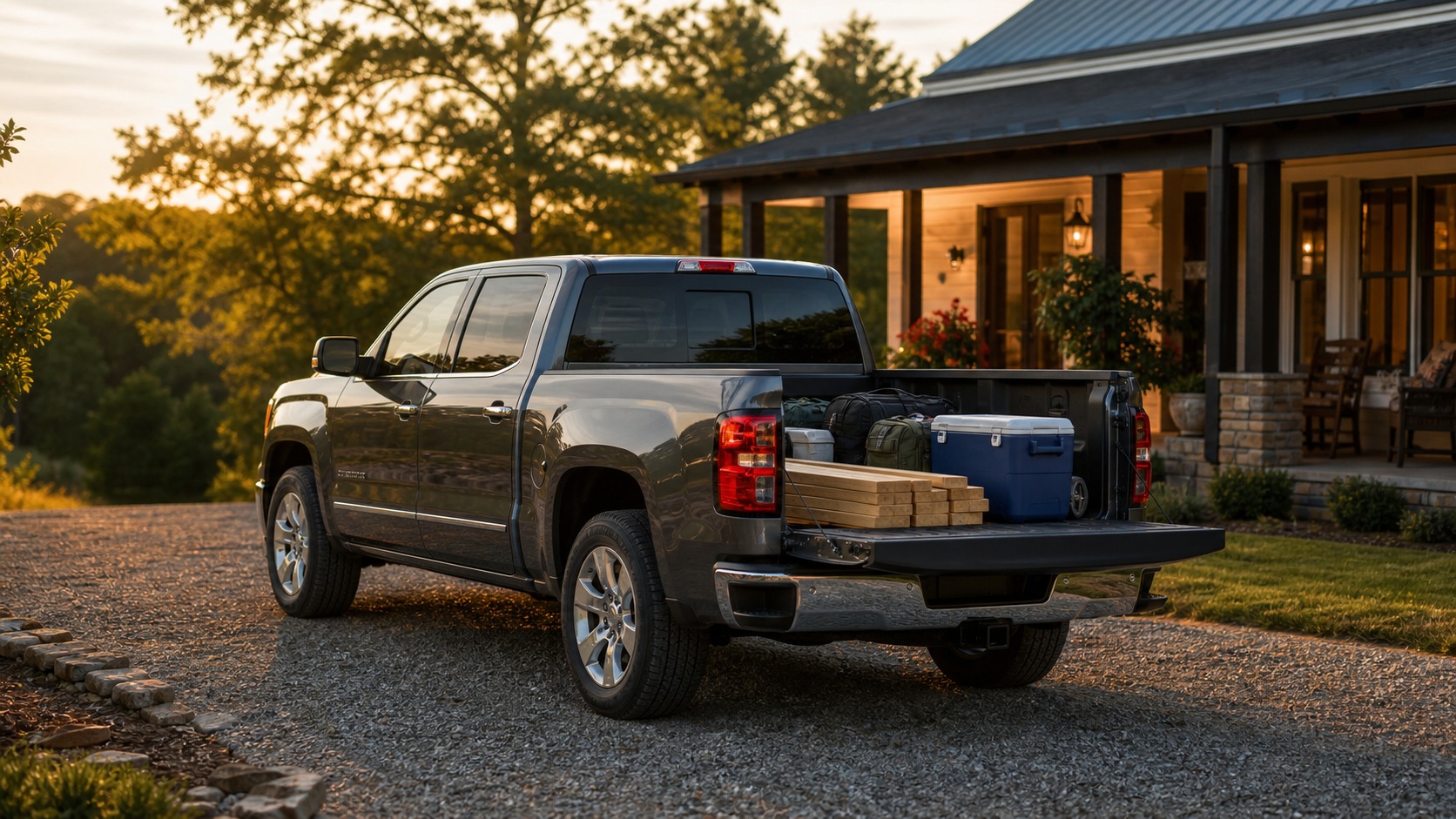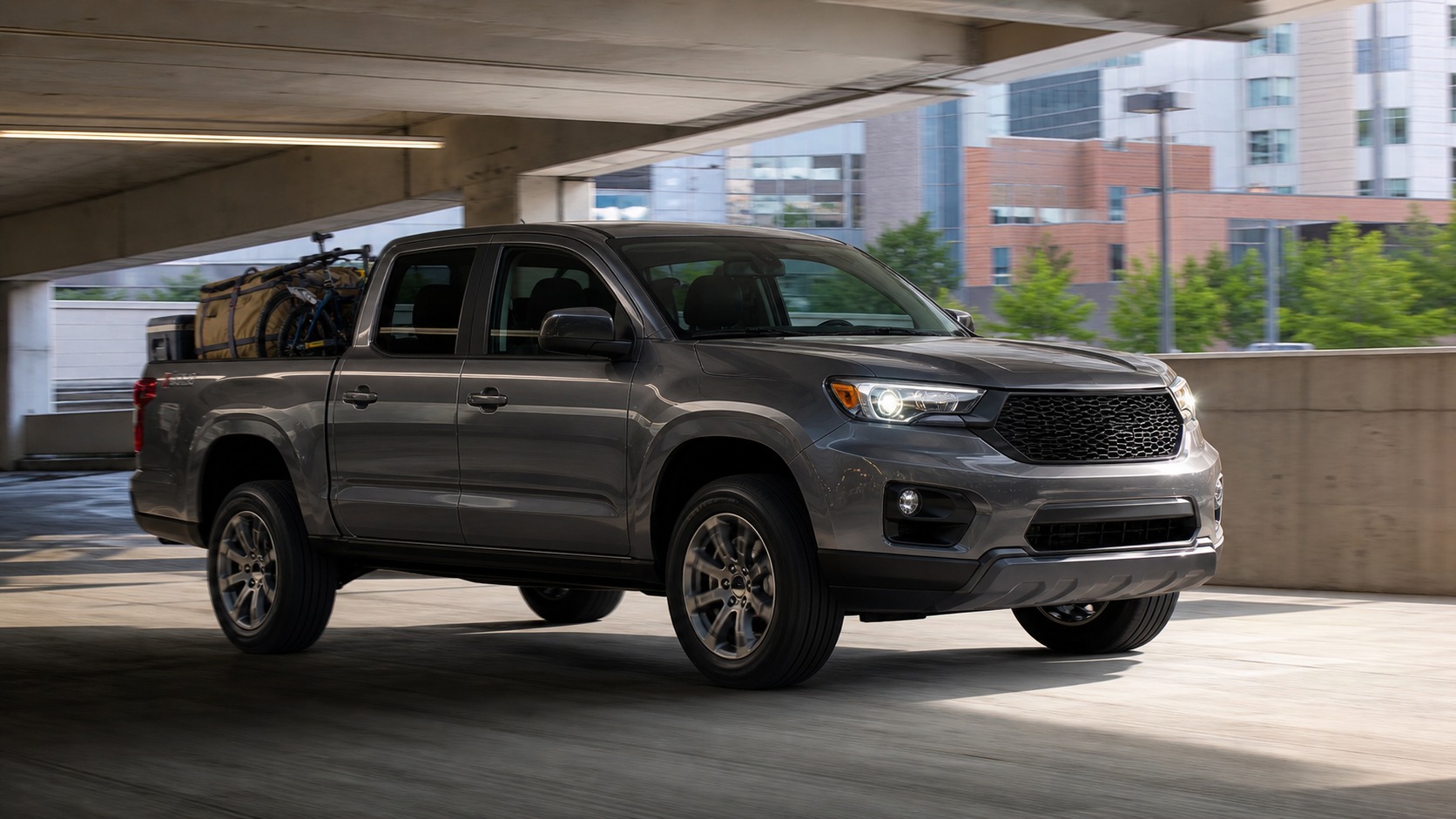
The right pickup should reduce friction, not create a new set of chores. This revised Truck Streets guide gives Midsize Trucks Guide: Specs, Trade-Offs, and Best Uses its own spec-and-use roadmap so comparison shoppers can sort useful numbers from sales noise. The focus is right-sized pickups with a real bed and less full-size bulk in places like city garages, trailhead roads, narrow lanes, campsites, and apartment parking, with attention on bikes, kayaks, camping bins, small trailers, mulch, and repair supplies and the ownership details that make a truck easy or difficult to keep.
A: Use midsize trucks when the repeated job matches useful bed space without the footprint penalty of a larger truck and the daily trade-offs are acceptable.
A: Start with payload for midsize pickups, then confirm tow rating, tires, axle ratio, and real curb weight.
A: Usually expecting full-size tow comfort from a smaller platform, especially when normal driving exposes turning radius, garage fit, shorter beds, narrower cabins, and lighter running costs.
A: No. Bigger only helps when the extra capacity is used often enough to justify cost and size.
A: Try parking, rough pavement, tight turns, highway merging, braking feel, and visibility.
A: Yes. Toolboxes, covers, racks, bumpers, and larger tires can change usable payload.
A: Practical configurations with broad demand usually age better than extreme or decorative builds.
A: Enough that passengers, weather, grades, and cargo do not push the truck to its limit.
A: Yes, if useful bed space without the footprint penalty of a larger truck does not make comfort, access, or costs unreasonable.
A: Buy for bikes and the ordinary week, not just the rare heaviest day.
Begin With the Work Pattern for Midsize Pickups
Begin with the work pattern, not the model lineup. Write down the loads, passengers, trailer weights, parking spaces, commute distance, and rough roads the truck will actually see. That list makes the spec sheet easier to read because the important numbers have a job to do.
Configuration choices matter because cab size, bed length, drivetrain, trim, and options change the truck. A plush trim can weigh more and carry less. A longer wheelbase may tow better but park worse. The right build is a system, not a collection of attractive features. For midsize trucks, this point connects directly to turning radius, garage fit, shorter beds, narrower cabins, and lighter running costs and the risk of expecting full-size tow comfort from a smaller platform.
A practical guide should make room for narrow trail, city garage, shorter wheelbase, spec sheet, configuration. These are the details that help a buyer compare two similar-looking trucks and understand why one configuration will age better under the same owner.
Numbers Worth Reading Twice for Midsize Pickups
The numbers worth reading twice are payload, axle ratio, tire rating, gross combined weight rating, bed dimensions, wheelbase, and real curb weight. Horsepower gets attention, but these quieter figures often explain whether the truck will feel steady and useful.
Best uses in the real world are narrower than marketing suggests. Every class has jobs it handles gracefully and jobs it can technically do but not happily. Owners should aim for the graceful zone whenever the work is repeated. For midsize trucks, this point connects directly to turning radius, garage fit, shorter beds, narrower cabins, and lighter running costs and the risk of expecting full-size tow comfort from a smaller platform.
Configuration Choices That Matter for Midsize Pickups
Configuration choices matter because cab size, bed length, drivetrain, trim, and options change the truck. A plush trim can weigh more and carry less. A longer wheelbase may tow better but park worse. The right build is a system, not a collection of attractive features.
Specs distract when they are treated as trophies. A maximum tow rating may require a specific engine, axle, cab, bed, and equipment package. If your truck is not built that way, the big number is background noise rather than guidance. For midsize trucks, this point connects directly to turning radius, garage fit, shorter beds, narrower cabins, and lighter running costs and the risk of expecting full-size tow comfort from a smaller platform.
A practical guide should make room for kayak rack, bike shuttle, apartment parking, shortlist, trim choice. These are the details that help a buyer compare two similar-looking trucks and understand why one configuration will age better under the same owner.
Best Uses in the Real World for Midsize Pickups
Best uses in the real world are narrower than marketing suggests. Every class has jobs it handles gracefully and jobs it can technically do but not happily. Owners should aim for the graceful zone whenever the work is repeated.
Comfort is part of capability because tired drivers make worse decisions. Seat support, mirror coverage, steering weight, brake confidence, noise, and ride quality all affect control. A truck that keeps the driver calm is doing real work. For midsize trucks, this point connects directly to turning radius, garage fit, shorter beds, narrower cabins, and lighter running costs and the risk of expecting full-size tow comfort from a smaller platform.
Specs That Can Distract You for Midsize Pickups
Specs distract when they are treated as trophies. A maximum tow rating may require a specific engine, axle, cab, bed, and equipment package. If your truck is not built that way, the big number is background noise rather than guidance.
Ownership cost belongs in the same conversation as ratings. Tires, fuel, insurance, depreciation, fluids, brakes, and repairs can change dramatically by size and configuration. A smart shortlist includes what the truck will cost after the purchase excitement fades. For midsize trucks, this point connects directly to turning radius, garage fit, shorter beds, narrower cabins, and lighter running costs and the risk of expecting full-size tow comfort from a smaller platform.
A practical guide should make room for campsite access, smaller footprint, nimble turning, axle option, cab layout. These are the details that help a buyer compare two similar-looking trucks and understand why one configuration will age better under the same owner.
Comfort as a Capability Feature for Midsize Pickups
Comfort is part of capability because tired drivers make worse decisions. Seat support, mirror coverage, steering weight, brake confidence, noise, and ride quality all affect control. A truck that keeps the driver calm is doing real work.
A defensible shortlist has a reason for every truck on it. Each candidate should match the load, fit the parking reality, carry the people, and leave enough margin for imperfect days. If you cannot explain why a truck belongs, remove it. For midsize trucks, this point connects directly to turning radius, garage fit, shorter beds, narrower cabins, and lighter running costs and the risk of expecting full-size tow comfort from a smaller platform.
Ownership Costs in the Equation for Midsize Pickups
Ownership cost belongs in the same conversation as ratings. Tires, fuel, insurance, depreciation, fluids, brakes, and repairs can change dramatically by size and configuration. A smart shortlist includes what the truck will cost after the purchase excitement fades.
Begin with the work pattern, not the model lineup. Write down the loads, passengers, trailer weights, parking spaces, commute distance, and rough roads the truck will actually see. That list makes the spec sheet easier to read because the important numbers have a job to do. For midsize trucks, this point connects directly to turning radius, garage fit, shorter beds, narrower cabins, and lighter running costs and the risk of expecting full-size tow comfort from a smaller platform.
A practical guide should make room for trailhead lane, weekend bin, urban utility, bed length, ownership math. These are the details that help a buyer compare two similar-looking trucks and understand why one configuration will age better under the same owner.
Build a Shortlist You Can Defend for Midsize Pickups
A defensible shortlist has a reason for every truck on it. Each candidate should match the load, fit the parking reality, carry the people, and leave enough margin for imperfect days. If you cannot explain why a truck belongs, remove it.
The numbers worth reading twice are payload, axle ratio, tire rating, gross combined weight rating, bed dimensions, wheelbase, and real curb weight. Horsepower gets attention, but these quieter figures often explain whether the truck will feel steady and useful. For midsize trucks, this point connects directly to turning radius, garage fit, shorter beds, narrower cabins, and lighter running costs and the risk of expecting full-size tow comfort from a smaller platform.
Final Read on Midsize Pickups
Midsize Trucks Guide: Specs, Trade-Offs, and Best Uses is strongest when the truck is judged by fit instead of drama. The right answer uses useful bed space without the footprint penalty of a larger truck while leaving enough margin for the hardest normal day. If the truck handles bikes, kayaks, camping bins, small trailers, mulch, and repair supplies without making turning radius, garage fit, shorter beds, narrower cabins, and lighter running costs feel unreasonable, it belongs on the list. If it only looks right in a comparison chart, keep shopping.
One more ownership check helps: imagine the truck after winter, after a busy project month, and after a long trip. If midsize pickups still feel useful, affordable, and easy to place in normal spaces, the choice has substance. If the truck only feels convincing in a rare maximum-load story, the decision needs another look.
One more ownership check helps: imagine the truck after winter, after a busy project month, and after a long trip. If midsize pickups still feel useful, affordable, and easy to place in normal spaces, the choice has substance. If the truck only feels convincing in a rare maximum-load story, the decision needs another look.
One more ownership check helps: imagine the truck after winter, after a busy project month, and after a long trip. If midsize pickups still feel useful, affordable, and easy to place in normal spaces, the choice has substance. If the truck only feels convincing in a rare maximum-load story, the decision needs another look.
One more ownership check helps: imagine the truck after winter, after a busy project month, and after a long trip. If midsize pickups still feel useful, affordable, and easy to place in normal spaces, the choice has substance. If the truck only feels convincing in a rare maximum-load story, the decision needs another look.
One more ownership check helps: imagine the truck after winter, after a busy project month, and after a long trip. If midsize pickups still feel useful, affordable, and easy to place in normal spaces, the choice has substance. If the truck only feels convincing in a rare maximum-load story, the decision needs another look.
One more ownership check helps: imagine the truck after winter, after a busy project month, and after a long trip. If midsize pickups still feel useful, affordable, and easy to place in normal spaces, the choice has substance. If the truck only feels convincing in a rare maximum-load story, the decision needs another look.
One more ownership check helps: imagine the truck after winter, after a busy project month, and after a long trip. If midsize pickups still feel useful, affordable, and easy to place in normal spaces, the choice has substance. If the truck only feels convincing in a rare maximum-load story, the decision needs another look.
One more ownership check helps: imagine the truck after winter, after a busy project month, and after a long trip. If midsize pickups still feel useful, affordable, and easy to place in normal spaces, the choice has substance. If the truck only feels convincing in a rare maximum-load story, the decision needs another look.
One more ownership check helps: imagine the truck after winter, after a busy project month, and after a long trip. If midsize pickups still feel useful, affordable, and easy to place in normal spaces, the choice has substance. If the truck only feels convincing in a rare maximum-load story, the decision needs another look.
One more ownership check helps: imagine the truck after winter, after a busy project month, and after a long trip. If midsize pickups still feel useful, affordable, and easy to place in normal spaces, the choice has substance. If the truck only feels convincing in a rare maximum-load story, the decision needs another look.
One more ownership check helps: imagine the truck after winter, after a busy project month, and after a long trip. If midsize pickups still feel useful, affordable, and easy to place in normal spaces, the choice has substance. If the truck only feels convincing in a rare maximum-load story, the decision needs another look.
One more ownership check helps: imagine the truck after winter, after a busy project month, and after a long trip. If midsize pickups still feel useful, affordable, and easy to place in normal spaces, the choice has substance. If the truck only feels convincing in a rare maximum-load story, the decision needs another look.
One more ownership check helps: imagine the truck after winter, after a busy project month, and after a long trip. If midsize pickups still feel useful, affordable, and easy to place in normal spaces, the choice has substance. If the truck only feels convincing in a rare maximum-load story, the decision needs another look.