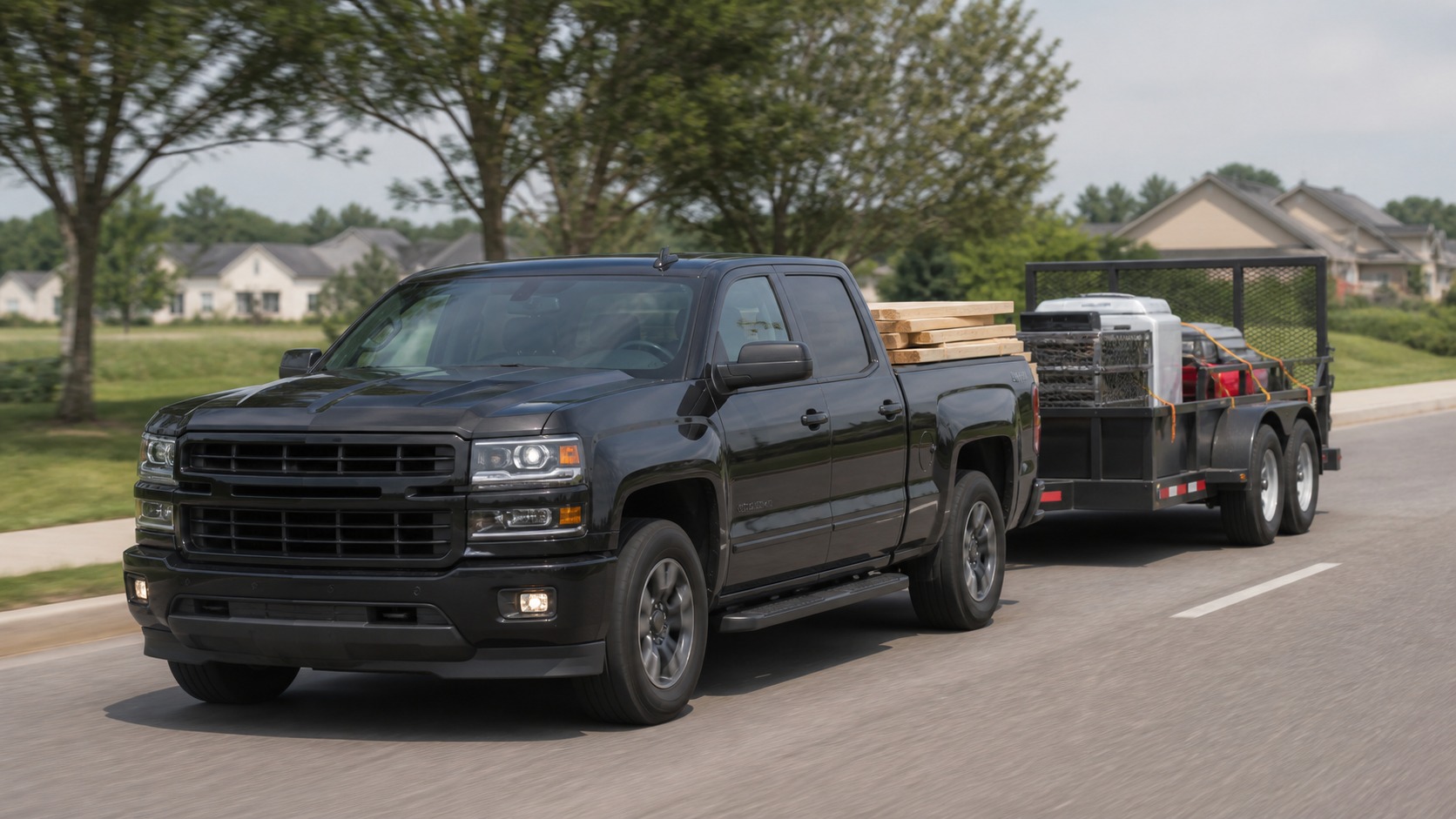
A truck can look right in a photo and still be wrong in a driveway. This revised Truck Streets guide gives Pickup Truck Classes Explained: What Truck Owners Need to Know its own definition-first explanation so newer truck shoppers can decode the language of truck classes. The focus is the whole pickup ladder, from compact runabouts to heavy-duty haulers in places like dealership rows, driveways, job sites, campgrounds, and boat ramps, with attention on passengers, hardware-store cargo, utility trailers, campers, tools, and seasonal projects and the ownership details that make a truck easy or difficult to keep.
A: Use pickup truck classes when the repeated job matches a clear way to separate truck sizes by job and the daily trade-offs are acceptable.
A: Start with payload for pickup classes, then confirm tow rating, tires, axle ratio, and real curb weight.
A: Usually choosing by image instead of repeated use, especially when normal driving exposes parking length, bed height, ride firmness, fuel use, tire cost, and cabin space.
A: No. Bigger only helps when the extra capacity is used often enough to justify cost and size.
A: Try parking, rough pavement, tight turns, highway merging, braking feel, and visibility.
A: Yes. Toolboxes, covers, racks, bumpers, and larger tires can change usable payload.
A: Practical configurations with broad demand usually age better than extreme or decorative builds.
A: Enough that passengers, weather, grades, and cargo do not push the truck to its limit.
A: Yes, if a clear way to separate truck sizes by job does not make comfort, access, or costs unreasonable.
A: Buy for passengers and the ordinary week, not just the rare heaviest day.
The Plain-English Meaning for Pickup Classes
The phrase itself can be misleading because it sounds official and simple. In practice, it is shorthand for frame strength, suspension capacity, cabin and bed proportions, available engines, braking hardware, and the kind of owner the truck was built to serve. Treat the class as a starting point, not the whole answer.
Under the skin, the differences show up in axles, springs, cooling, tires, gearing, wheelbase, and sometimes the frame itself. These parts decide whether the truck feels relaxed or busy when the work gets real. A brochure may highlight power, but the class tells you how the whole truck is meant to absorb stress. For pickup truck classes, this point connects directly to parking length, bed height, ride firmness, fuel use, tire cost, and cabin space and the risk of choosing by image instead of repeated use.
For this specific article, the useful lens is compact benchmark, midsize bridge, half-ton center, definition, translation. Those details keep the explanation anchored to the actual truck category instead of drifting into a generic pickup discussion. A reader should finish this section with a sharper sense of what separates this choice from neighboring classes.
Why the Category Exists for Pickup Classes
The category exists because truck buyers ask pickups to do very different jobs. One owner wants a comfortable commuter with a useful bed. Another needs to pull equipment in heat, climb grades with a trailer, or carry a crew and tools every morning. Class language helps separate those worlds before trim packages blur them again.
Empty driving matters because most private pickups spend many miles without a maximum load. A truck that rides harshly, parks poorly, or feels oversized in normal traffic can become annoying even if it looks impressive. The best class is one you can live with when nothing dramatic is happening. For pickup truck classes, this point connects directly to parking length, bed height, ride firmness, fuel use, tire cost, and cabin space and the risk of choosing by image instead of repeated use.
What Changes Under the Skin for Pickup Classes
Under the skin, the differences show up in axles, springs, cooling, tires, gearing, wheelbase, and sometimes the frame itself. These parts decide whether the truck feels relaxed or busy when the work gets real. A brochure may highlight power, but the class tells you how the whole truck is meant to absorb stress.
The label does not tell you exact payload, exact towing comfort, or whether a specific trim is sensible. Options, tires, cab size, bed length, and accessories can change the useful rating. Two trucks in the same class can behave differently once people, cargo, and equipment are added. For pickup truck classes, this point connects directly to parking length, bed height, ride firmness, fuel use, tire cost, and cabin space and the risk of choosing by image instead of repeated use.
For this specific article, the useful lens is three-quarter-ton step, one-ton ceiling, class ladder, plain language, category meaning. Those details keep the explanation anchored to the actual truck category instead of drifting into a generic pickup discussion. A reader should finish this section with a sharper sense of what separates this choice from neighboring classes.
How the Truck Feels Empty for Pickup Classes
Empty driving matters because most private pickups spend many miles without a maximum load. A truck that rides harshly, parks poorly, or feels oversized in normal traffic can become annoying even if it looks impressive. The best class is one you can live with when nothing dramatic is happening.
New buyers often misread class as a ladder where higher is automatically better. That thinking can lead to extra cost, rougher ride, larger tires, and parking headaches without solving a real problem. The smarter move is to ask what load repeats often enough to deserve more truck. For pickup truck classes, this point connects directly to parking length, bed height, ride firmness, fuel use, tire cost, and cabin space and the risk of choosing by image instead of repeated use.
What the Label Does Not Tell You for Pickup Classes
The label does not tell you exact payload, exact towing comfort, or whether a specific trim is sensible. Options, tires, cab size, bed length, and accessories can change the useful rating. Two trucks in the same class can behave differently once people, cargo, and equipment are added.
This class begins to make sense when its strengths match the weekly pattern. If the truck regularly handles the kind of work it was designed for, the extra size or cost feels justified. If those strengths sit unused, the owner may be carrying too much compromise for too little benefit. For pickup truck classes, this point connects directly to parking length, bed height, ride firmness, fuel use, tire cost, and cabin space and the risk of choosing by image instead of repeated use.
For this specific article, the useful lens is shopping map, comparison row, capability spread, buyer education, baseline. Those details keep the explanation anchored to the actual truck category instead of drifting into a generic pickup discussion. A reader should finish this section with a sharper sense of what separates this choice from neighboring classes.
Common Misreads From New Buyers for Pickup Classes
New buyers often misread class as a ladder where higher is automatically better. That thinking can lead to extra cost, rougher ride, larger tires, and parking headaches without solving a real problem. The smarter move is to ask what load repeats often enough to deserve more truck.
The simple test is boring but effective: describe the hardest normal month of use. Include people, cargo, trailer, terrain, parking, fuel, and service cost. If the class handles that month calmly without punishing every easier day, it belongs on the shortlist. For pickup truck classes, this point connects directly to parking length, bed height, ride firmness, fuel use, tire cost, and cabin space and the risk of choosing by image instead of repeated use.
Where This Class Starts to Make Sense for Pickup Classes
This class begins to make sense when its strengths match the weekly pattern. If the truck regularly handles the kind of work it was designed for, the extra size or cost feels justified. If those strengths sit unused, the owner may be carrying too much compromise for too little benefit.
The phrase itself can be misleading because it sounds official and simple. In practice, it is shorthand for frame strength, suspension capacity, cabin and bed proportions, available engines, braking hardware, and the kind of owner the truck was built to serve. Treat the class as a starting point, not the whole answer. For pickup truck classes, this point connects directly to parking length, bed height, ride firmness, fuel use, tire cost, and cabin space and the risk of choosing by image instead of repeated use.
For this specific article, the useful lens is ownership lane, trim maze, use-case fork, class identity, simple test. Those details keep the explanation anchored to the actual truck category instead of drifting into a generic pickup discussion. A reader should finish this section with a sharper sense of what separates this choice from neighboring classes.
The Simple Ownership Test for Pickup Classes
The simple test is boring but effective: describe the hardest normal month of use. Include people, cargo, trailer, terrain, parking, fuel, and service cost. If the class handles that month calmly without punishing every easier day, it belongs on the shortlist.
The category exists because truck buyers ask pickups to do very different jobs. One owner wants a comfortable commuter with a useful bed. Another needs to pull equipment in heat, climb grades with a trailer, or carry a crew and tools every morning. Class language helps separate those worlds before trim packages blur them again. For pickup truck classes, this point connects directly to parking length, bed height, ride firmness, fuel use, tire cost, and cabin space and the risk of choosing by image instead of repeated use.
Final Read on Pickup Classes
Pickup Truck Classes Explained: What Truck Owners Need to Know is strongest when the truck is judged by fit instead of drama. The right answer uses a clear way to separate truck sizes by job while leaving enough margin for the hardest normal day. If the truck handles passengers, hardware-store cargo, utility trailers, campers, tools, and seasonal projects without making parking length, bed height, ride firmness, fuel use, tire cost, and cabin space feel unreasonable, it belongs on the list. If it only looks right in a comparison chart, keep shopping.
One more ownership check helps: imagine the truck after winter, after a busy project month, and after a long trip. If pickup classes still feel useful, affordable, and easy to place in normal spaces, the choice has substance. If the truck only feels convincing in a rare maximum-load story, the decision needs another look.
One more ownership check helps: imagine the truck after winter, after a busy project month, and after a long trip. If pickup classes still feel useful, affordable, and easy to place in normal spaces, the choice has substance. If the truck only feels convincing in a rare maximum-load story, the decision needs another look.
One more ownership check helps: imagine the truck after winter, after a busy project month, and after a long trip. If pickup classes still feel useful, affordable, and easy to place in normal spaces, the choice has substance. If the truck only feels convincing in a rare maximum-load story, the decision needs another look.
One more ownership check helps: imagine the truck after winter, after a busy project month, and after a long trip. If pickup classes still feel useful, affordable, and easy to place in normal spaces, the choice has substance. If the truck only feels convincing in a rare maximum-load story, the decision needs another look.
One more ownership check helps: imagine the truck after winter, after a busy project month, and after a long trip. If pickup classes still feel useful, affordable, and easy to place in normal spaces, the choice has substance. If the truck only feels convincing in a rare maximum-load story, the decision needs another look.
One more ownership check helps: imagine the truck after winter, after a busy project month, and after a long trip. If pickup classes still feel useful, affordable, and easy to place in normal spaces, the choice has substance. If the truck only feels convincing in a rare maximum-load story, the decision needs another look.
One more ownership check helps: imagine the truck after winter, after a busy project month, and after a long trip. If pickup classes still feel useful, affordable, and easy to place in normal spaces, the choice has substance. If the truck only feels convincing in a rare maximum-load story, the decision needs another look.
One more ownership check helps: imagine the truck after winter, after a busy project month, and after a long trip. If pickup classes still feel useful, affordable, and easy to place in normal spaces, the choice has substance. If the truck only feels convincing in a rare maximum-load story, the decision needs another look.
One more ownership check helps: imagine the truck after winter, after a busy project month, and after a long trip. If pickup classes still feel useful, affordable, and easy to place in normal spaces, the choice has substance. If the truck only feels convincing in a rare maximum-load story, the decision needs another look.
One more ownership check helps: imagine the truck after winter, after a busy project month, and after a long trip. If pickup classes still feel useful, affordable, and easy to place in normal spaces, the choice has substance. If the truck only feels convincing in a rare maximum-load story, the decision needs another look.